
Cysteamine Cream in Korea
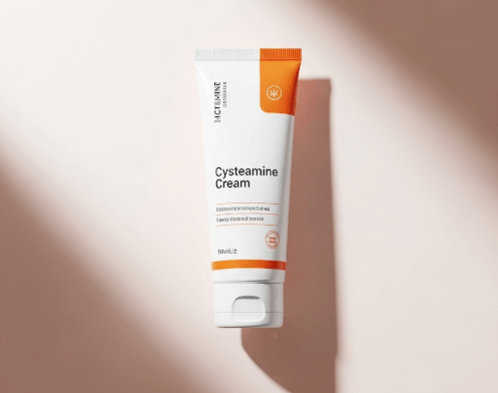
Cysteamine Cream in Korea is gaining popularity as an effective and safe alternative to hydroquinone for the management of pigmentation disorders such as melasma, post-inflammatory hyperpigmentation (PIH), freckles, age spots, and sun damage. Cysteamine is a naturally occurring molecule in human cells, with strong antioxidant and skin-brightening properties. Unlike hydroquinone, which requires strict medical supervision […]
Tranexamic Acid Therapy in Korea

Tranexamic Acid Therapy in Korea has become one of the most innovative and effective treatments for pigmentation disorders, particularly melasma and post-inflammatory hyperpigmentation (PIH). Originally used as an antifibrinolytic medication to control bleeding, tranexamic acid (TXA) was later discovered to have significant skin-lightening properties by reducing melanin production. Korean dermatology clinics have pioneered advanced ways […]
Hydroquinone Protocol in Korea
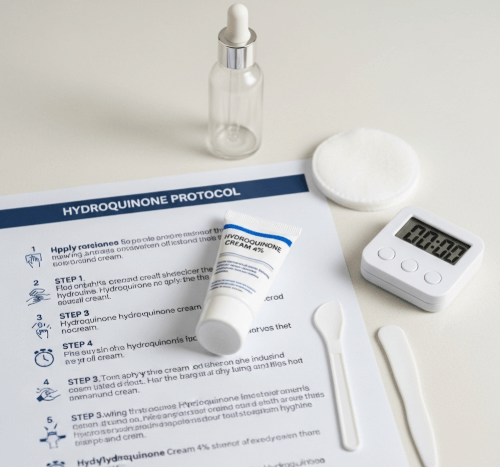
Hydroquinone Protocol in Korea refers to the dermatologist-guided use of hydroquinone, one of the most powerful skin-lightening agents, for treating pigmentation disorders such as melasma, freckles, age spots, post-inflammatory hyperpigmentation (PIH), and sun damage. Hydroquinone works by inhibiting tyrosinase, the key enzyme involved in melanin production, thereby reducing excess pigmentation. In Korea, hydroquinone is not […]
PIH Prevention Regimen in Korea

PIH Prevention Regimen in Korea is a holistic approach to reducing the risk of post-inflammatory hyperpigmentation (PIH), a condition where dark spots form after acne, eczema, burns, cosmetic procedures, or other skin inflammation. While PIH is harmless, it can be persistent and emotionally distressing—especially in Asian skin, which is more prone to pigmentation. Korea, famous […]
Nevus of Ota Laser Treatment in Korea
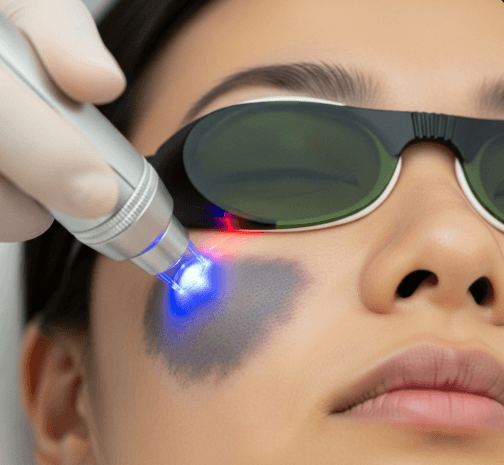
Nevus of Ota Laser Treatment in Korea is a highly specialized dermatological procedure designed to treat bluish-gray or brown pigmentation that appears on the face, typically around the eyes, temple, and sometimes the sclera (white part of the eye). This condition is more common in Asian populations and is caused by an overgrowth of melanocytes […]
Hori’s Nevus Laser Treatment in Korea
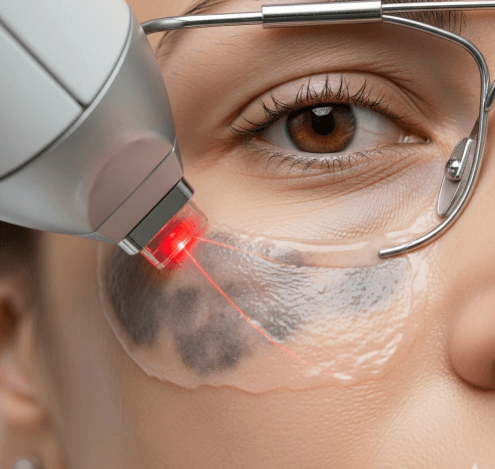
Hori’s Nevus Laser Treatment in Korea is a highly advanced and specialized service offered by dermatology clinics for patients with bilateral acquired dermal melanocytosis, more commonly known as Hori’s nevus. This condition presents as bluish-gray or brownish patches on both cheeks, typically developing in adulthood. Unlike freckles or sun spots, Hori’s nevus is a deep […]
Café-au-Lait Macule Treatment in Korea
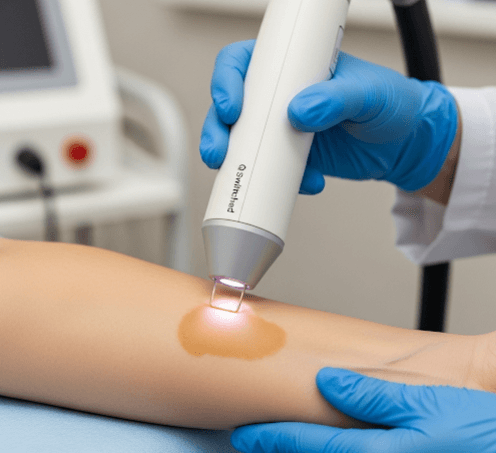
Café-au-Lait Macule (CALM) Treatment in Korea is a specialized service aimed at addressing light brown, flat patches of skin pigmentation that can appear at birth or develop during childhood. The term “café-au-lait” comes from the French phrase for “coffee with milk,” describing their characteristic color. These macules are typically harmless, but some patients pursue treatment […]
Dermal Melanosis Care in Korea
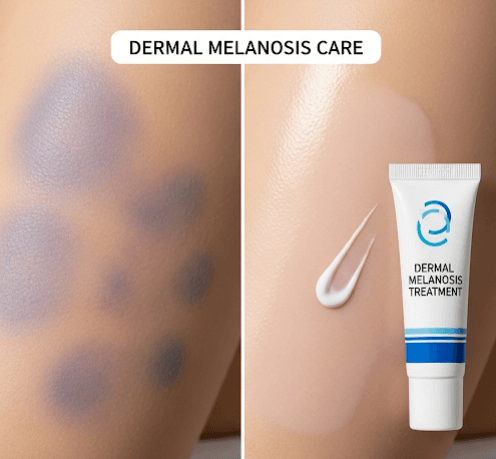
Dermal Melanosis Care in Korea focuses on treating pigmentation that lies deeper in the dermis, unlike superficial conditions such as freckles or sun spots. Dermal melanosis includes conditions like Hori’s nevus, Ota’s nevus, and other deep-set pigment disorders, which often present as bluish, gray, or brown patches on the face and body. These conditions are […]
Post-Inflammatory Hyperpigmentation (PIH) Treatment in Korea
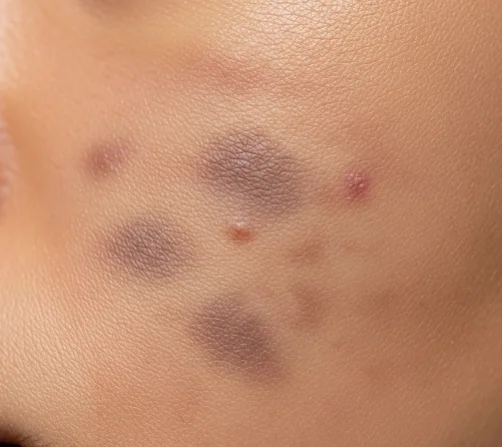
Post-Inflammatory Hyperpigmentation (PIH) Treatment in Korea is a highly popular dermatological service aimed at fading dark spots or patches that remain after skin inflammation. PIH commonly appears after acne breakouts, eczema, burns, or other skin injuries, and while it is harmless, it can be distressing for patients. Korea, globally recognized for its expertise in pigmentation […]
Sun Spot Removal in Korea
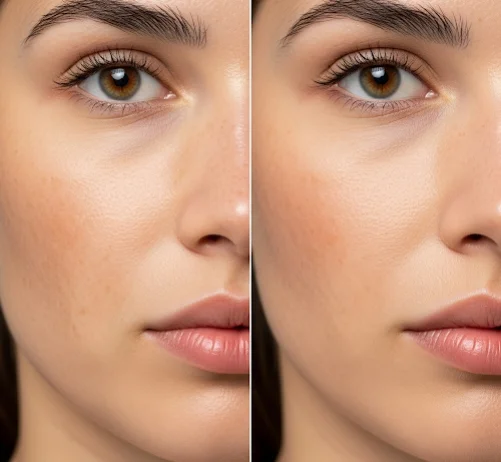
Sun Spot Removal in Korea is a highly sought-after treatment for those who want to eliminate the dark, flat patches of pigmentation that appear due to prolonged sun exposure. Sun spots, also called solar lentigines, are common on the face, hands, chest, and shoulders—areas that receive the most ultraviolet (UV) radiation. While harmless, they are […]