
Cryotherapy Lesion Removal in Korea
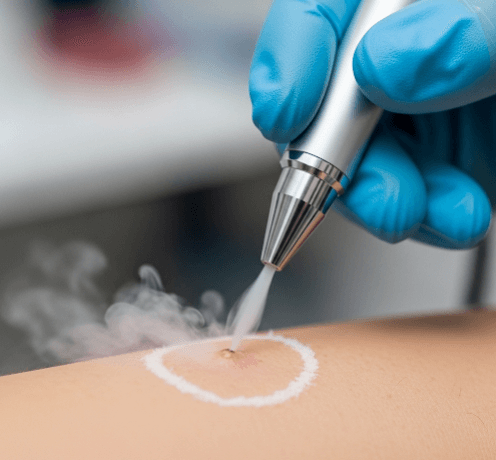
What it is Cryotherapy lesion removal is a dermatological procedure that uses extremely cold liquid nitrogen to freeze and destroy abnormal or unwanted skin tissue. The freezing causes the targeted cells to crystallize and break apart, after which the lesion naturally falls off or heals. Cryotherapy is commonly used in Korea to treat: 💡 In […]
Electrocautery Lesion Removal in Korea

What it is Electrocautery lesion removal is a dermatological procedure that uses a fine, heated probe to burn and destroy unwanted skin lesions. The probe delivers controlled electrical current, which generates heat that cuts, coagulates, or vaporizes the tissue. It is commonly used in Korea to treat: 💡 In Korea, electrocautery is widely chosen because […]
Acrochordon Snip in Korea
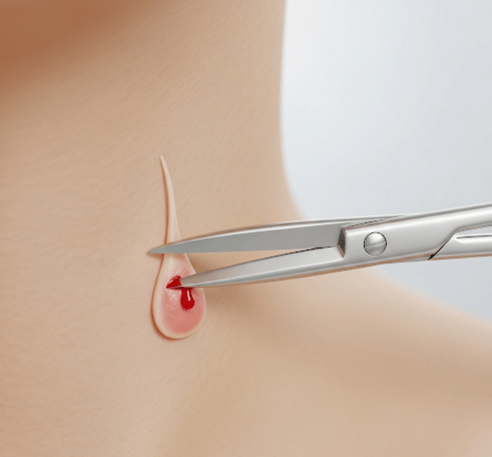
What it is An acrochordon snip is a minor surgical procedure used to remove skin tags (acrochordons) by cutting them off at the base with sterile scissors or a scalpel. Skin tags are small, soft, benign skin growths that commonly occur on the neck, underarms, eyelids, groin, or under the breasts. Unlike freezing (cryotherapy) or […]
Skin Tag Removal in Korea
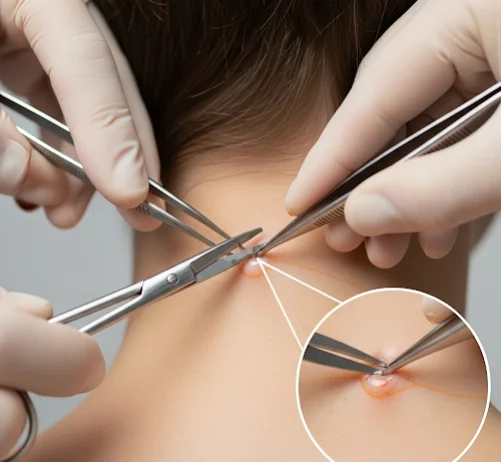
What it is Skin tag removal is a minor dermatological procedure to eliminate small, soft, benign growths (acrochordons) that commonly appear in skin folds such as the neck, underarms, eyelids, groin, or under the breasts. Skin tags are harmless but can become cosmetic concerns or cause irritation from friction, jewelry, or clothing. 💡 In Korea, […]
Pathology Report Review in Korea
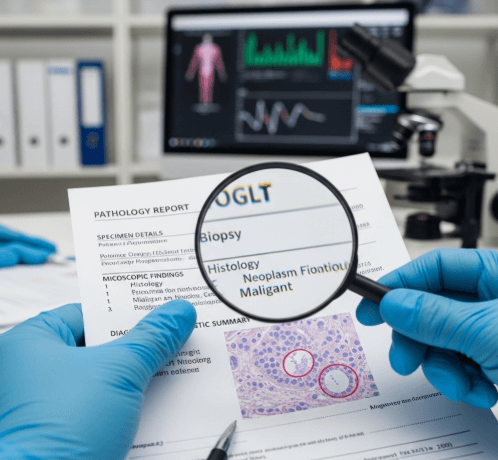
What it is A pathology report review is the process of examining and interpreting the results of a biopsy or surgical specimen. After a skin lesion, mole, or tissue sample is removed, it is sent to a pathology lab, where a specialist examines it under a microscope. The pathology report contains critical information such as: […]
Biopsy for Diagnosis in Korea
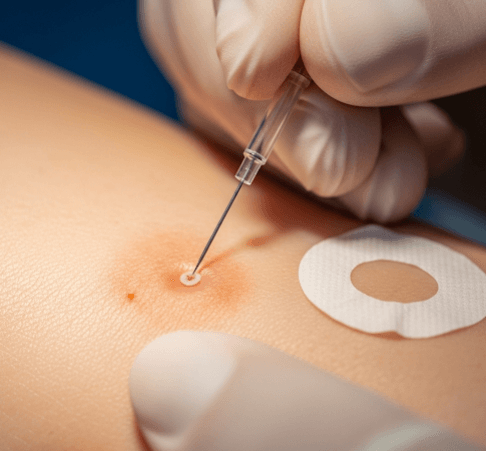
What it is A biopsy is a medical procedure in which a small tissue sample is taken from the skin or other organ and examined under a microscope to diagnose disease. In dermatology and cosmetic care, biopsies are most commonly performed for: The tissue is analyzed by a pathologist, providing a definitive diagnosis. 💡 In […]
Dermatoscopic Evaluation in Korea
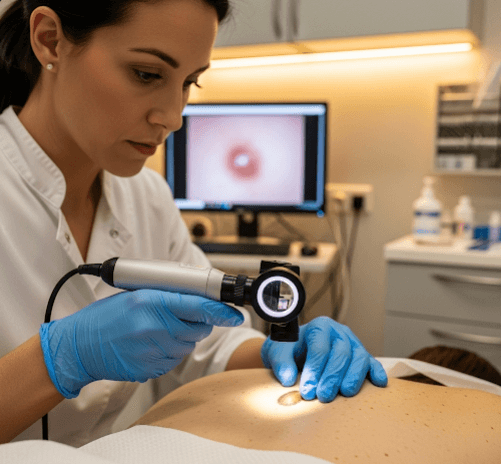
What it is Dermatoscopic evaluation is a diagnostic method in dermatology that uses a dermatoscope—a handheld device equipped with magnification and polarized or non-polarized light—to examine the structures of the skin in detail. This technique allows dermatologists to see subsurface skin features not visible to the naked eye, such as: 💡 In Korea, dermatoscopic evaluation […]
Laser Mole Removal in Korea
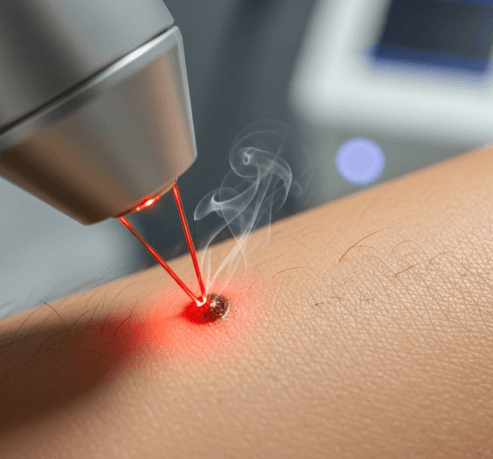
What it is Laser mole removal is a dermatological procedure that uses focused laser energy (most commonly CO₂ or Er:YAG lasers) to vaporize mole tissue layer by layer until it is flush with the surrounding skin. Unlike surgical excision, laser removal is bloodless, minimally invasive, and scar-reducing, making it one of the most popular cosmetic […]
Nevus Punch Excision in Korea
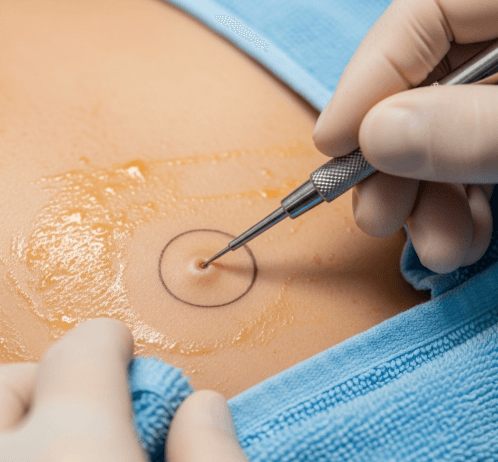
What it is Nevus punch excision is a dermatological procedure used to remove small, deep, or suspicious moles (nevi) with a circular punch tool. The tool cuts through the full thickness of the skin, removing the mole entirely along with a small margin of surrounding tissue. Unlike shave excision, which removes only the raised portion, […]
Nevus Shave Excision in Korea
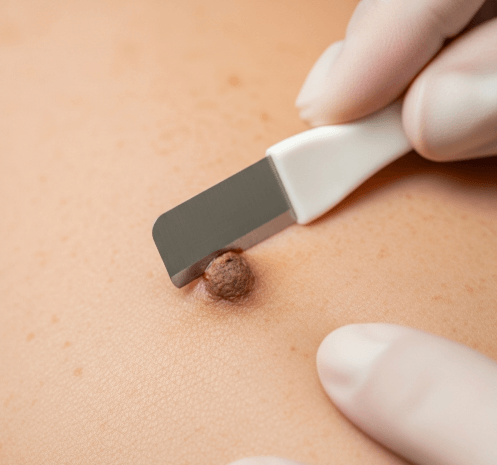
What it is Nevus shave excision is a dermatological procedure used to remove raised moles (nevi) by shaving them flush with the skin’s surface. Unlike full surgical excision, which cuts deeper and requires stitches, shave excision targets the upper layers of the mole, leaving the base intact. This method is typically used for: 💡 In […]