
Phymatous Rosacea in Korea
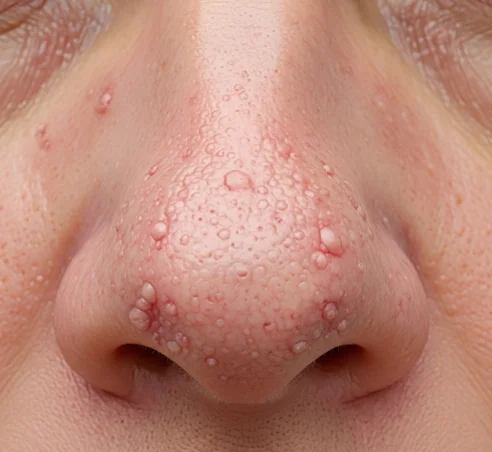
What it is Phymatous rosacea (PhR) in Korea is a severe form of rosacea characterized by thickened, bumpy skin, irregular surface texture, and enlargement of sebaceous glands. It most commonly affects the nose (rhinophyma), but can also involve the forehead, chin, ears, or eyelids. The skin may appear coarse, bulbous, and reddish, often leading to […]
Papulopustular Rosacea in Korea
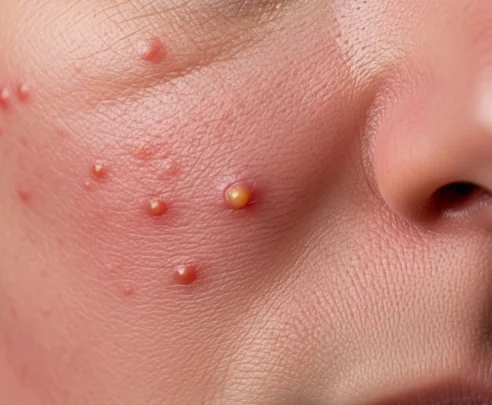
What it is Papulopustular rosacea (PPR) in Korea is a chronic inflammatory skin condition that combines persistent facial redness (erythema) with acne-like papules and pustules. Unlike acne vulgaris, papulopustular rosacea does not involve clogged pores or blackheads; instead, it is caused by vascular dysregulation, immune system overactivity, and inflammation. The condition is most common on […]
Erythrotelangiectatic Rosacea in Korea
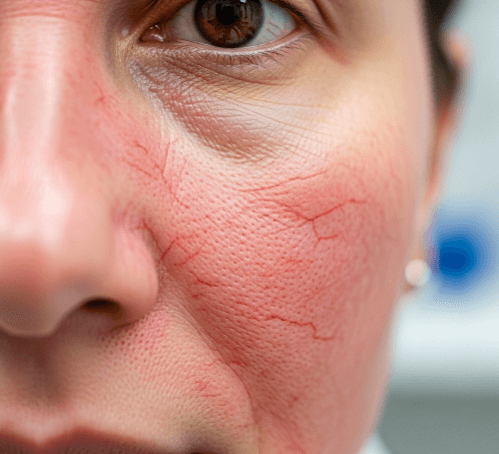
What it is Erythrotelangiectatic rosacea (ETR) in Korea is a subtype of rosacea characterized by persistent facial redness (erythema) and visible, dilated blood vessels (telangiectasia), especially on the cheeks, nose, forehead, and chin. Unlike acne rosacea, which is associated with pimples, or phymatous rosacea, which causes thickened skin, ETR primarily presents as chronic flushing and […]
Post-Inflammatory Erythema in Korea
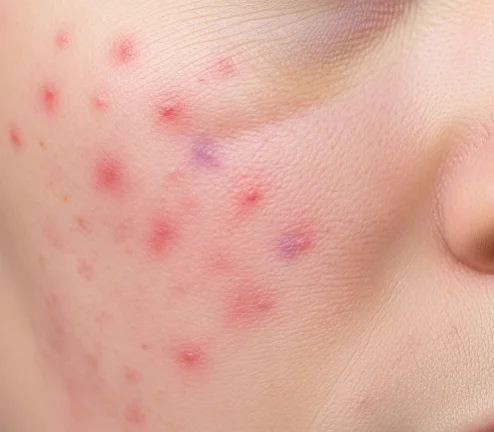
What it is Post-inflammatory erythema (PIE) in Korea refers to the persistent red or pink marks that remain on the skin after inflammation, most commonly following acne, cosmetic procedures, or skin injuries. Unlike hyperpigmentation, which is caused by excess melanin, PIE occurs due to dilated or damaged blood vessels beneath the skin’s surface. These vascular […]
Burn Scar Management in Korea
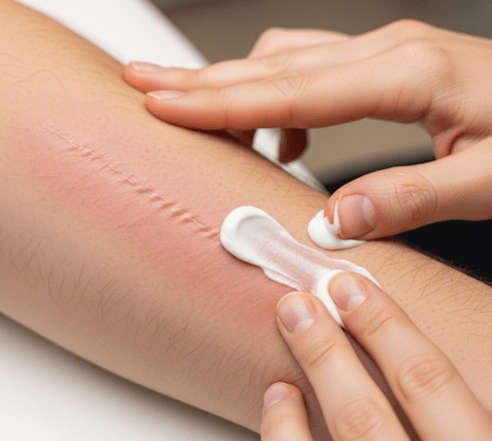
What it is Burn scar management in Korea refers to a range of medical and cosmetic treatments designed to reduce the appearance, texture, and discomfort of scars left after burn injuries. Burn scars can range from mild discoloration to severe hypertrophic or keloid formations that affect movement and confidence. Management focuses on healing, restoring skin […]
Hypopigmentation Aftercare in Korea
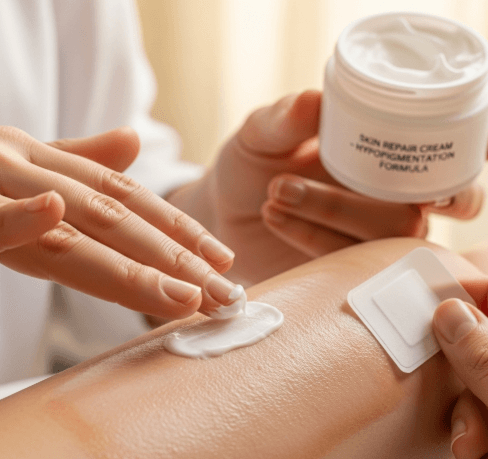
What it is Hypopigmentation aftercare in Korea refers to the specialized treatment and skincare routine followed when the skin develops lighter patches after tattoo removal, laser treatments, or other cosmetic procedures. Hypopigmentation occurs when melanin production decreases in the treated area, leaving the skin lighter than the surrounding tone. It is usually temporary, but in […]
Post-Tattoo Care Kit in Korea
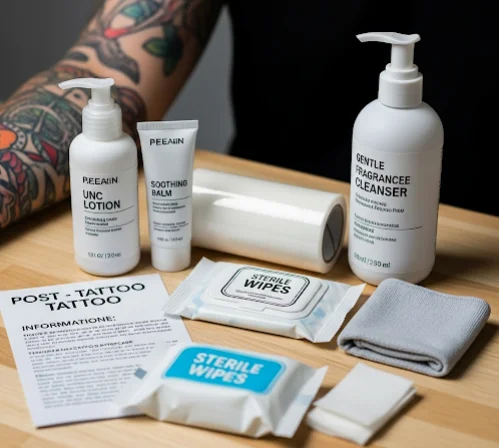
What it is A post-tattoo care kit in Korea is a specialized set of skincare products designed to help the skin heal after tattoo removal or tattoo fading treatments. Laser tattoo removal, saline removal, and other corrective methods can leave the skin sensitive, dry, and prone to irritation. To ensure optimal healing, prevent infection, and […]
Fractional Tattoo Assist in Korea
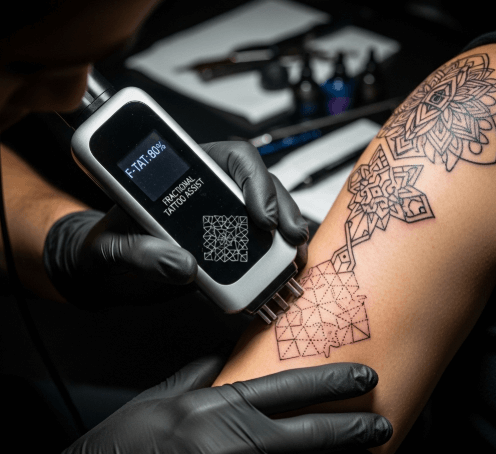
What it is Fractional tattoo assist in Korea is an advanced technique that combines fractional laser treatment with standard tattoo removal lasers. Traditional tattoo removal lasers (such as Pico or Q-switched Nd:YAG) break down pigment particles, but stubborn ink—especially deep-set pigments or resistant colors—may remain. Fractional laser technology works by creating microscopic treatment zones in […]
R20 Tattoo Protocol in Korea
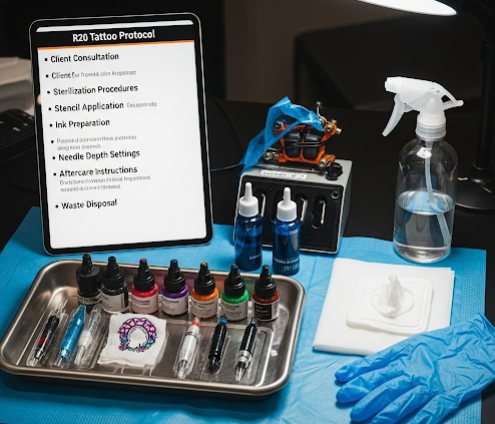
What it is R20 tattoo protocol in Korea is an advanced laser tattoo removal technique that uses four laser passes in one treatment session, spaced 20 minutes apart. Unlike the traditional method, where only one pass is done per visit, the R20 method allows the laser to penetrate deeper into the tattoo ink during the […]
Black Ink Tattoo Laser in Korea
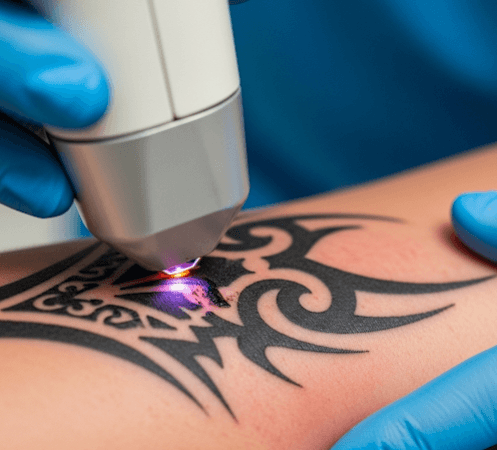
What it is Black ink tattoo laser in Korea is a specialized procedure that uses advanced laser systems to target and remove tattoos created with black or dark pigments. Black ink is the easiest pigment to remove because it absorbs all laser wavelengths, making it highly responsive to Pico lasers (like PicoSure and PicoWay) and […]