
Melasma — Oral Tranexamic Acid Protocol in Korea
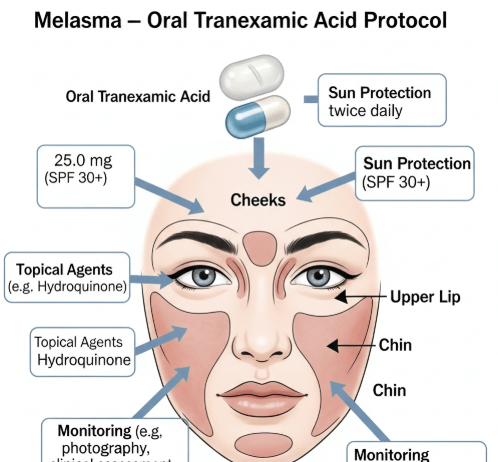
What it is Oral tranexamic acid (TXA) protocol for melasma in Korea is a medical treatment plan that uses low-dose oral tranexamic acid to reduce the appearance of melasma, a common pigmentation disorder that causes brown or gray-brown patches on the face (forehead, cheeks, upper lip, and chin). TXA is an antifibrinolytic drug traditionally used […]
Comedone / Milia Surgery in Korea
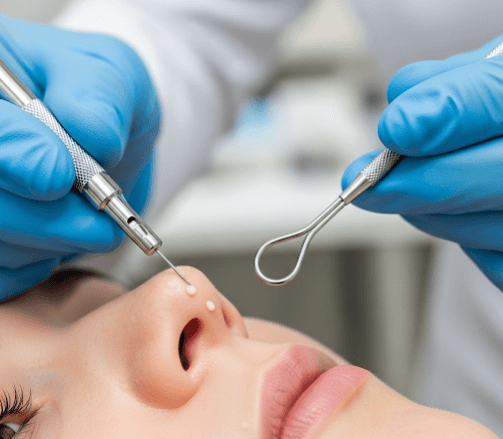
What it is Comedone and milia surgery in Korea refers to a set of minor dermatological procedures used to extract clogged pores (comedones) and remove trapped keratin cysts (milia) safely and effectively. Unlike at-home extraction, Korean dermatologists and skin specialists perform these procedures using sterile instruments, magnification, and precision techniques, minimizing risks of scarring or […]
Scar Revision (Z-Plasty) in Korea
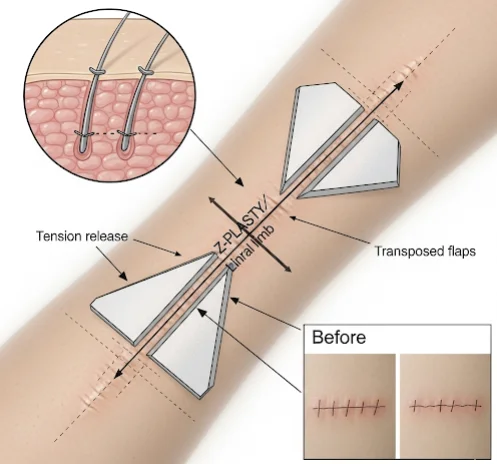
What it is Scar revision with Z-plasty in Korea is a reconstructive surgical technique used to improve the appearance, flexibility, and function of scars by rearranging tissue in a Z-shaped incision pattern. The Z-shaped incision allows the scar to be reoriented along natural skin lines or creases, lengthened to release tension, and made less visible. […]
Pigmented Lesion Clinic in Korea
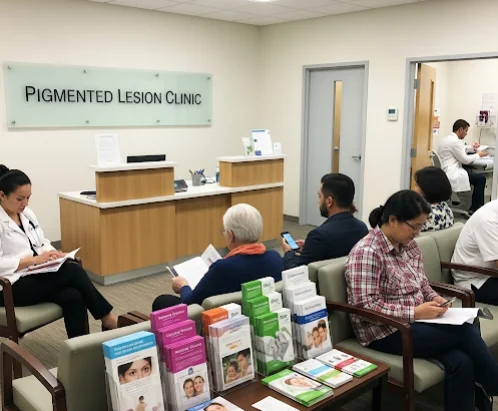
What it is A pigmented lesion clinic in Korea is a specialized dermatology service dedicated to the diagnosis, monitoring, and treatment of pigmented skin lesions, such as moles, freckles, age spots, melasma, and suspicious dark patches that may indicate melanoma or other skin cancers. These clinics combine dermatoscopy, mole mapping, biopsy services, and cosmetic pigment […]
Dermatoscopic Triage (Dermatoscopy) in Korea
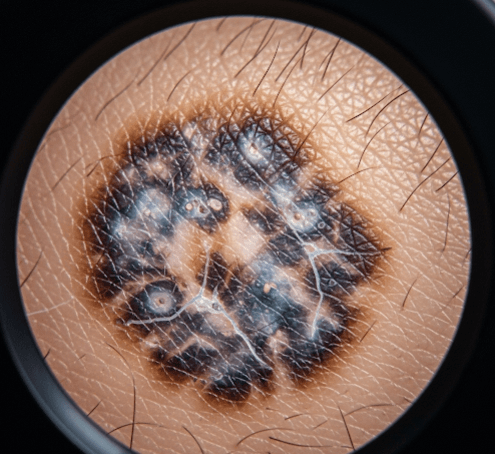
What it is Dermatoscopic triage (dermatoscopy) in Korea is a non-invasive diagnostic technique that uses a dermatoscope (a handheld magnifying device with polarized or non-polarized light) to examine skin lesions in detail. It allows dermatologists to visualize subsurface skin structures not visible to the naked eye, helping distinguish between benign lesions, precancerous changes, and malignant […]
Subungual Hematoma Drainage in Korea
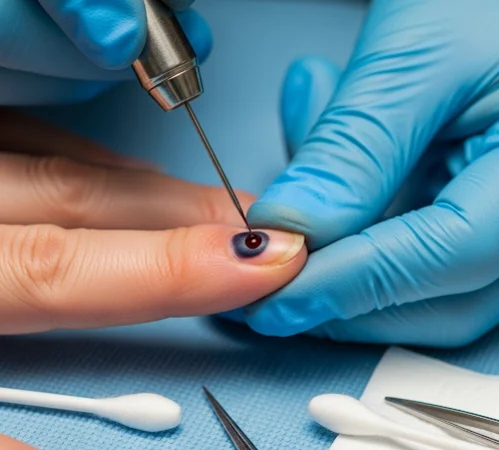
What it is Subungual hematoma drainage in Korea is a minor medical procedure used to treat a collection of blood trapped beneath the nail plate (usually toenails or fingernails). This condition typically results from trauma—such as dropping a heavy object on the toe, stubbing it, or repetitive sports-related impact. The trapped blood causes intense pressure, […]
Nail Plate Debridement in Korea
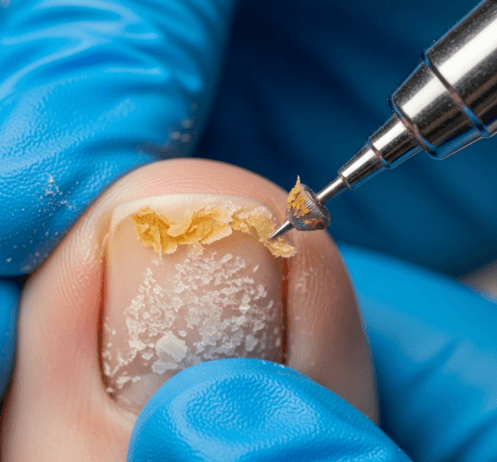
What it is Nail plate debridement in Korea is a therapeutic podiatric or dermatological procedure where thickened, damaged, or infected portions of the nail plate are carefully reduced or removed. It is not a full nail removal, but rather a controlled thinning and trimming of diseased nail material to improve comfort, reduce fungal load, and […]
Nail Matrix Biopsy in Korea
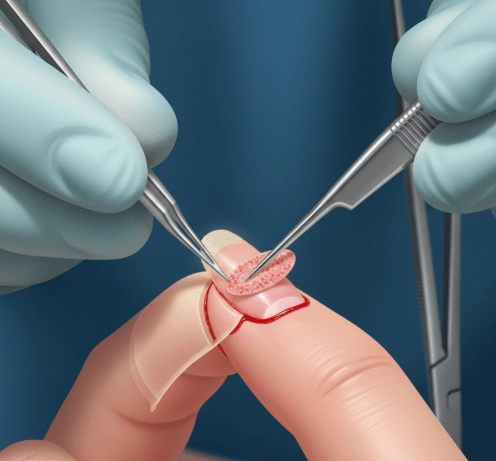
What it is Nail matrix biopsy in Korea is a specialized diagnostic procedure where a small section of the nail matrix (the tissue beneath the nail plate that produces nail growth) is surgically sampled for laboratory analysis. This biopsy is performed when nail abnormalities suggest conditions such as melanoma, squamous cell carcinoma, chronic infections, or […]
Lateral Nail Fold Plasties in Korea

What it is Lateral nail fold plasties in Korea are surgical procedures performed to correct chronic or recurrent ingrown toenails (onychocryptosis) by reshaping the soft tissue surrounding the nail. Instead of removing only part of the nail (as in partial nail avulsion), this procedure involves excising or repositioning the lateral nail fold to widen the […]
Wide Local Excision (Skin) in Korea
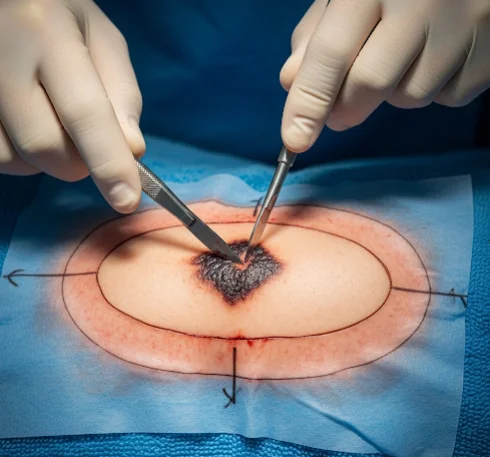
What it is Wide local excision (skin) in Korea is a surgical procedure in which a skin cancer or suspicious lesion is removed along with a margin of healthy surrounding tissue to ensure complete clearance. This method is primarily used for malignant melanoma, squamous cell carcinoma (SCC), and certain high-risk basal cell carcinomas (BCC). The […]