
Silicone Adhesive Dressings for Scars in Korea
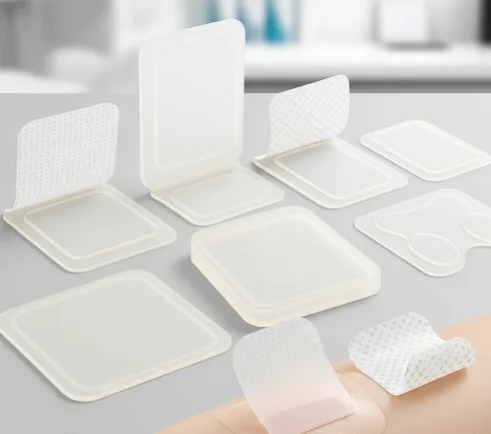
What it is ➝ Silicone adhesive dressings are flexible sheets or gels made of medical-grade silicone that are applied over healed wounds or surgical sites to reduce the development of hypertrophic scars and keloids. ➝ They work by maintaining an occlusive, hydrated environment and by applying gentle pressure, which helps regulate collagen production in scar […]
Alginate Dressing for Exudative Wounds in Korea
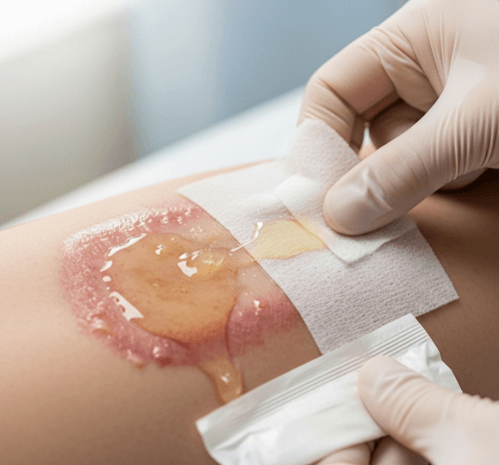
What it is ➝ Alginate dressings are advanced wound care materials derived from seaweed (alginic acid salts). ➝ When placed in contact with wound exudate, they form a soft gel-like substance that helps absorb fluid, maintain a moist environment, and promote healing. ➝ They are particularly suited for moderate to heavily exudative wounds, including pressure […]
Hydrocolloid Dressing in Korea
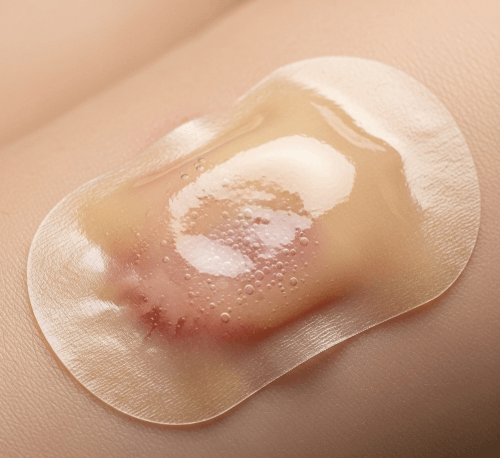
What it is ➝ Hydrocolloid dressings are advanced wound care materials made of gel-forming agents (such as carboxymethylcellulose, gelatin, and pectin) combined with a flexible, adhesive outer layer. ➝ When applied to a wound, they form a moist healing environment by absorbing exudate and converting it into a gel, which promotes tissue repair and reduces […]
Wound Care – Negative-Pressure Therapy in Korea

What it is ➝ Negative-pressure wound therapy (NPWT), also called vacuum-assisted closure (VAC), is a wound management technique that uses controlled suction applied to a sealed wound dressing. ➝ The system consists of a foam or gauze dressing placed inside the wound, covered with an adhesive drape, and connected to a vacuum pump that applies […]
IVIG / Etanercept for SJS–TEN in Korea
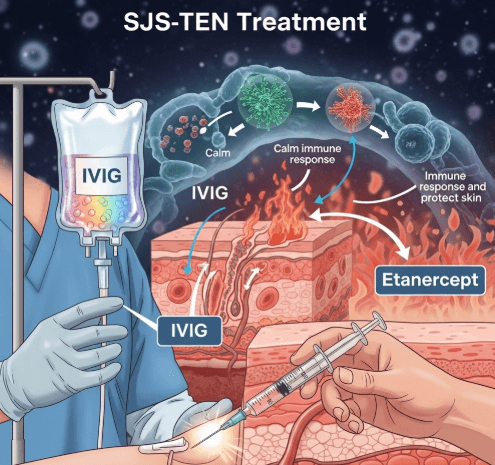
What it is ➝ Stevens–Johnson syndrome (SJS) and toxic epidermal necrolysis (TEN) are severe mucocutaneous reactions, most often triggered by medications, with high mortality and long-term sequelae. ➝ IVIG (intravenous immunoglobulin) and etanercept (TNF-α inhibitor) are immunomodulatory therapies used in specialized centers, aiming to stop disease progression by blocking pathways of keratinocyte apoptosis and inflammation. […]
Toxic Epidermal Necrolysis (TEN) – Pathway in Korea
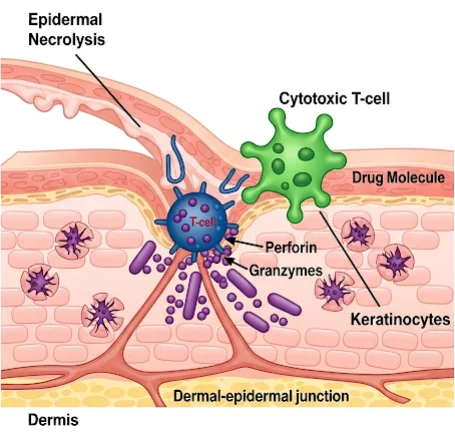
What it is ➝ Toxic epidermal necrolysis (TEN) is the most severe form of drug-induced mucocutaneous reaction, defined by >30% body surface area (BSA) detachment with mucosal involvement. ➝ It is considered a dermatologic emergency with mortality rates of 25–35%. ➝ Common culprit drugs include allopurinol, anticonvulsants, sulfonamides, antibiotics, and NSAIDs. ➝ Management requires a […]
Stevens–Johnson Syndrome (SJS) – Triage in Korea
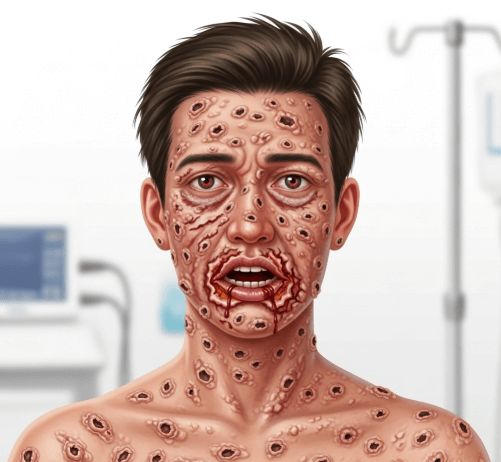
What it is ➝ Stevens–Johnson syndrome (SJS) is a rare, severe mucocutaneous reaction, usually to medications, characterized by extensive skin and mucous membrane necrosis and detachment. ➝ It lies on the same spectrum as toxic epidermal necrolysis (TEN), differing mainly by extent of body surface involvement: ➝ Common triggers include allopurinol, anticonvulsants, sulfonamides, antibiotics, and […]
DRESS Syndrome Management in Korea
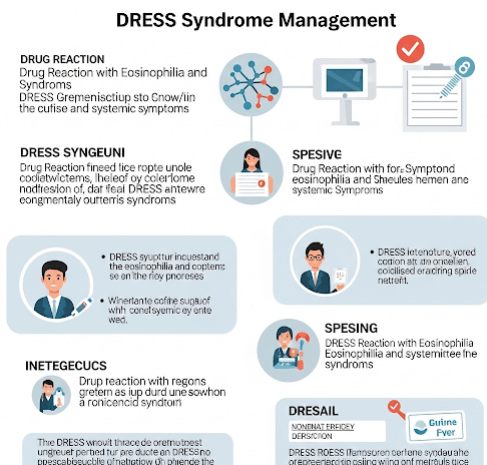
What it is ➝ DRESS (Drug Reaction with Eosinophilia and Systemic Symptoms) syndrome is a severe, potentially life-threatening drug hypersensitivity reaction. ➝ It typically occurs 2–8 weeks after starting the offending drug and presents with widespread skin eruption, fever, lymphadenopathy, eosinophilia, and involvement of internal organs (liver, kidneys, lungs, heart). ➝ Common culprit drugs include […]
Drug Eruption – Dechallenge / Rechallenge in Korea
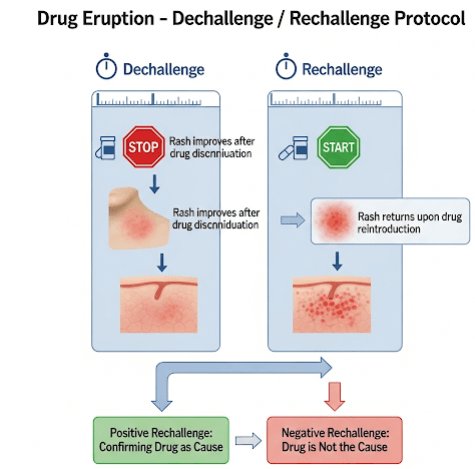
What it is ➝ Drug eruptions are adverse skin reactions to medications, ranging from mild exanthematous rashes to severe conditions such as Stevens–Johnson syndrome (SJS), toxic epidermal necrolysis (TEN), or drug reaction with eosinophilia and systemic symptoms (DRESS). ➝ Dechallenge means discontinuing the suspected drug and observing whether the eruption improves. ➝ Rechallenge means re-administering […]
Prick Testing – Immediate Hypersensitivity in Korea
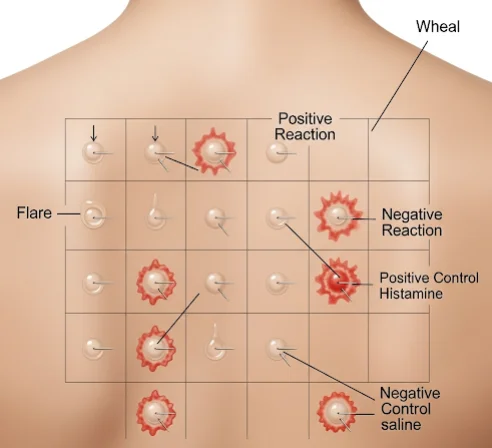
What it is ➝ Skin prick testing (SPT) is a diagnostic method for identifying immediate (Type I) hypersensitivity reactions, mediated by IgE antibodies. ➝ It is used to detect allergies to aeroallergens (pollen, dust mites, animal dander, mold), foods (peanuts, shellfish, milk, wheat, soy, etc.), insect venoms, and sometimes drug allergies. ➝ The test involves […]