
Radiofrequency Vaginal Rejuvenation in Korea
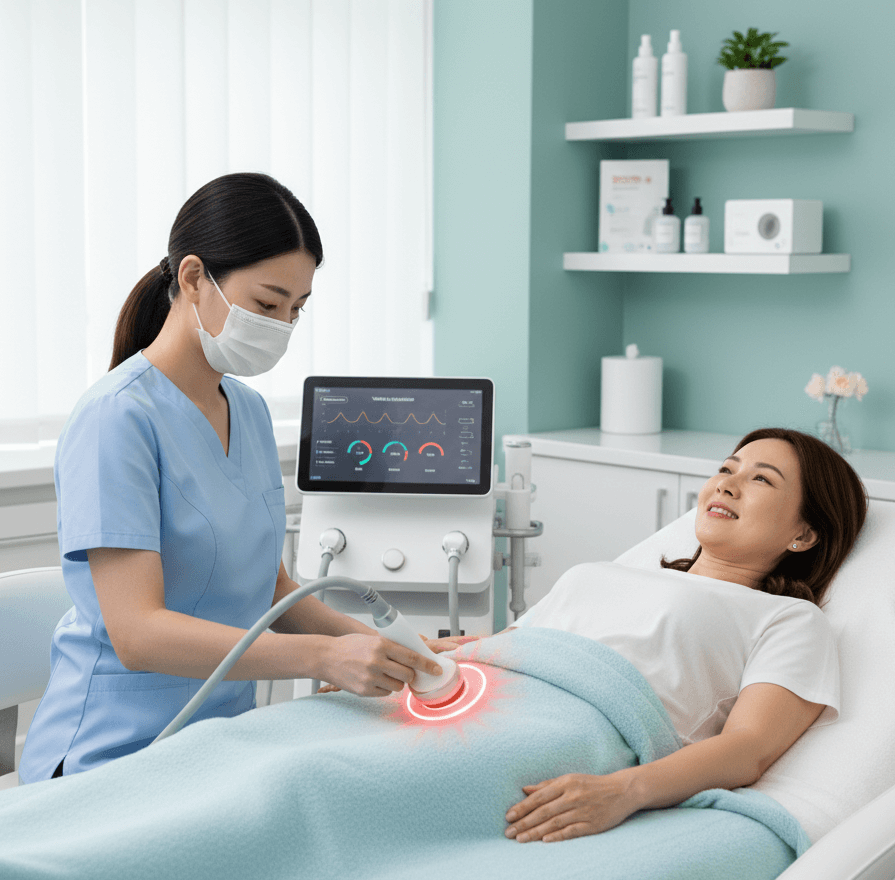
What it is Radiofrequency (RF) vaginal rejuvenation is a non-surgical treatment that uses controlled radiofrequency energy to stimulate collagen and elastin production in the vaginal tissues. The procedure improves vaginal tightness, hydration, and elasticity while addressing functional and aesthetic concerns. In Korea, RF vaginal rejuvenation is widely available in women’s hospitals, gynecology clinics, and aesthetic […]
Preventive Surgery for High-Risk Patients in Korea

What it is Preventive surgery (prophylactic surgery) refers to surgical procedures performed to reduce or eliminate the risk of developing cancer or other serious conditions in patients identified as high-risk. High-risk patients often include those with genetic mutations (such as BRCA1/2), strong family cancer history, or precancerous conditions. In Korea, preventive surgeries are performed in […]
Genetic Counseling for BRCA Mutations in Korea

What it is Genetic counseling for BRCA mutations is a medical service that helps individuals and families understand their risk of hereditary cancers, particularly breast and ovarian cancer, linked to BRCA1 and BRCA2 gene mutations. These mutations significantly increase the lifetime risk of developing certain cancers. In Korea, genetic counseling is provided in specialized cancer […]
Follow-up for Cancer Survivors in Korea

What it is Follow-up care for cancer survivors is a structured medical program that begins after active cancer treatment ends. It focuses on monitoring for recurrence, managing long-term or late side effects, and supporting survivors’ physical, emotional, and social well-being. In Korea, follow-up care is delivered through specialized survivorship programs in cancer centers and hospitals, […]
Radiation Therapy Coordination in Korea

What it is Radiation therapy coordination refers to the planning, scheduling, and management of radiation treatments for patients with cancer, including gynecologic, breast, and other malignancies. Radiation therapy uses high-energy beams (X-rays, gamma rays, or proton beams) to kill or shrink cancer cells while minimizing harm to surrounding healthy tissue. In Korea, radiation therapy coordination […]
Chemotherapy Coordination for Gynecologic Cancers in Korea

What it is Chemotherapy coordination for gynecologic cancers refers to the systematic planning, delivery, and monitoring of chemotherapy treatment for cancers affecting the female reproductive system. These include ovarian, cervical, endometrial, vulvar, and fallopian tube cancers. In Korea, chemotherapy coordination is managed through multidisciplinary cancer care teams, ensuring that every patient receives a personalized treatment […]
Pelvic Lymph Node Dissection in Korea

What it is Pelvic lymph node dissection (PLND) is a surgical procedure in which lymph nodes from the pelvic region are removed for examination or treatment. It is often performed during surgery for gynecologic cancers (such as cervical, endometrial, ovarian, or vulvar cancer) or urologic cancers (such as prostate or bladder cancer). The main goal […]
Vulvar Cancer Care in Korea

What it is Vulvar cancer is a rare type of gynecologic cancer that develops on the external female genitalia (labia majora, labia minora, clitoris, or vaginal opening). It may begin as precancerous lesions such as vulvar intraepithelial neoplasia (VIN) before progressing into invasive cancer. Vulvar cancer care refers to the complete medical management—from diagnosis to […]
Endometrial Cancer Treatment in Korea
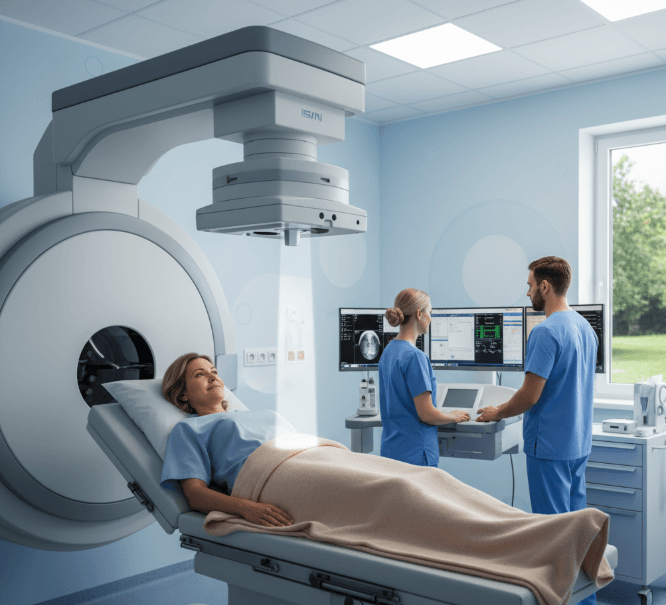
What it is Endometrial cancer is a malignancy that starts in the lining of the uterus (endometrium). It is the most common gynecologic cancer in developed countries and is often diagnosed at an early stage because it typically presents with abnormal uterine bleeding. Endometrial cancer treatment involves a combination of surgery, radiation, chemotherapy, hormone therapy, […]
Ovarian Cancer Screening in Korea

What it is Ovarian cancer screening refers to the use of medical tests to detect ovarian cancer at an early stage, ideally before symptoms appear. Ovarian cancer is often called a “silent killer” because early stages typically present with vague or no symptoms, and most cases are diagnosed at an advanced stage. In Korea, ovarian […]