
Xerophthalmia in Korea
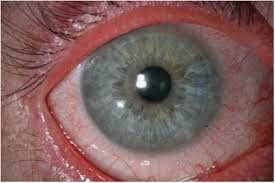
Overview Xerophthalmia is a serious eye condition caused by a severe deficiency of vitamin A. It primarily affects the surface of the eyes, leading to dryness, damage to the cornea, and even blindness if left untreated. It is most common in children and pregnant women in developing regions where malnutrition is prevalent. Early diagnosis and […]
Xeroderma Pigmentosum (XP) in Korea

Overview Xeroderma Pigmentosum (XP) is a rare genetic disorder that causes extreme sensitivity to ultraviolet (UV) rays from sunlight. People with XP have a defect in the DNA repair system, making their skin highly vulnerable to UV-induced damage, including sunburns, pigmentation changes, and an elevated risk of skin cancer. Early diagnosis and lifelong sun protection […]
Xanthelasma in Korea
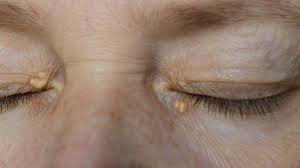
Overview Xanthelasma is a skin condition characterized by soft, yellowish cholesterol deposits that develop under the skin, usually around the eyelids. While generally harmless and painless, xanthelasma can be an indicator of underlying health issues such as high cholesterol or lipid disorders. Though not dangerous on its own, it may signal a higher risk for […]
Wrist Tendonitis in Korea

Overview Wrist tendonitis is an inflammatory condition affecting the tendons in the wrist, often resulting in pain, swelling, and reduced mobility. It commonly occurs due to repetitive wrist movements, overuse, or strain, especially in individuals who perform manual tasks, type extensively, or engage in sports. Prompt treatment is essential to prevent progression to chronic tendon […]
Wrinkles in Korea
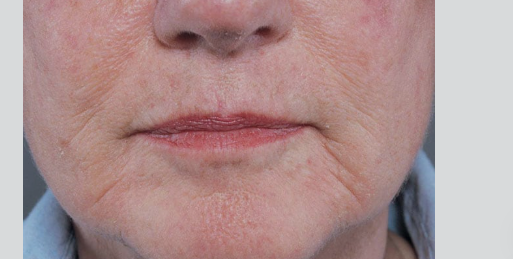
Overview Wrinkles are a natural part of the aging process, appearing as lines, creases, or folds on the skin, especially on areas exposed to the sun such as the face, neck, hands, and forearms. While they are primarily associated with aging, other factors like sun exposure, smoking, genetics, and facial expressions can accelerate their formation. […]
Wound Dehiscence in Korea

Overview Wound dehiscence is a surgical complication where a wound that was previously closed—either with sutures, staples, or glue—reopens partially or completely. It can occur in both superficial skin layers and deeper surgical incisions, sometimes exposing underlying tissues or organs. This condition requires prompt medical attention to prevent infection, delayed healing, or more serious complications […]
Worms in Korea

Overview Worms, or parasitic worm infections, are caused by helminths—a group of parasitic organisms that live in the human body, often in the intestines. These infections are common in regions with poor sanitation and hygiene and can cause a wide range of symptoms, from mild digestive discomfort to severe organ damage. Treatment is usually effective […]
Work-related stress in Korea

Overview Work-related stress is a growing global concern that impacts both mental and physical health. It occurs when the demands of the job exceed an individual’s capacity to cope. This type of stress can lead to burnout, reduced productivity, chronic health problems, and even mental illnesses like depression or anxiety. Addressing work-related stress early is […]
Wolfram Syndrome in Korea

Overview Wolfram Syndrome is a rare, progressive genetic disorder characterized by a combination of diabetes mellitus, optic atrophy (vision loss), diabetes insipidus, and hearing loss. It is sometimes referred to as DIDMOAD syndrome, an acronym for its primary symptoms: Diabetes Insipidus, Diabetes Mellitus, Optic Atrophy, and Deafness. This multisystem condition typically appears in childhood and […]
Wolf-Hirschhorn Syndrome in Korea
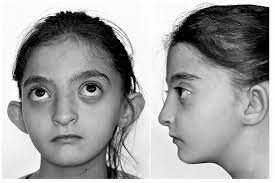
Overview Wolf-Hirschhorn Syndrome (WHS) is a rare genetic disorder caused by a deletion on the short arm of chromosome 4. It is characterized by distinctive facial features, growth delays, intellectual disabilities, seizures, and congenital abnormalities. The severity and specific symptoms can vary significantly from person to person. There is no cure, but early intervention can […]