
Urethral Caruncle in Korea

Overview Urethral Caruncle is a small, benign, fleshy outgrowth located at the external opening of the urethra, most commonly seen in postmenopausal women. Though usually harmless, it may cause discomfort, bleeding, or irritation during urination or sexual activity. Urethral caruncles are typically managed with topical medications, but larger or symptomatic lesions may require surgical removal. […]
Urethral Cancer in Korea

Overview Urethral Cancer is a rare type of cancer that occurs in the urethra—the tube that carries urine from the bladder out of the body. It can develop in both men and women and is often diagnosed at a later stage due to subtle or overlooked symptoms. Early detection improves outcomes, but treatment may involve […]
Ureteropelvic Junction Obstruction in Korea
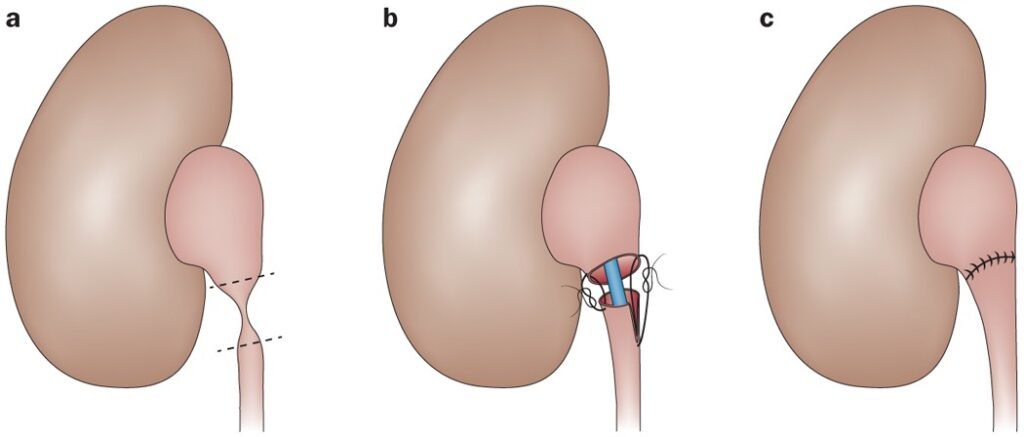
Overview Ureteropelvic Junction Obstruction (UPJ Obstruction) is a condition in which the flow of urine is blocked at the junction where the renal pelvis (part of the kidney that collects urine) meets the ureter (the tube that carries urine to the bladder). This blockage leads to a backup of urine in the kidney, causing swelling […]
Ureterocele in Korea
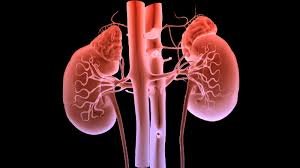
Overview Ureterocele is a congenital condition in which the end of a ureter swells and balloons into the bladder, causing a cyst-like structure. This can obstruct urine flow, lead to kidney damage, and increase the risk of urinary tract infections. Ureteroceles are more commonly diagnosed in infants and children but can also be found in […]
Ureteral Stones in Korea
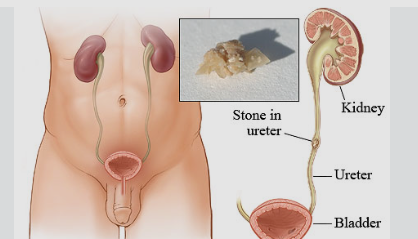
Overview Ureteral Stones are solid mineral deposits that form in the kidneys and migrate into the ureters—the tubes that carry urine from the kidneys to the bladder. These stones can block urine flow, cause severe pain, and lead to urinary tract infections or kidney damage if not treated. Ureteral stones are one of the most […]
Ureteral Obstruction in Korea
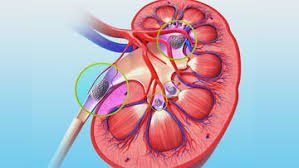
Overview Ureteral Obstruction is a condition where one or both ureters—the tubes that carry urine from the kidneys to the bladder—become partially or completely blocked. This blockage impairs normal urine flow, causing urine to back up into the kidneys, which can lead to pain, infection, kidney damage, or even kidney failure if left untreated. The […]
Uremia in Korea

Overview Uremia is a serious medical condition that occurs when waste products build up in the blood due to kidney failure. It is commonly seen in advanced chronic kidney disease (CKD) or acute kidney injury, where the kidneys can no longer effectively filter urea and other toxins. Uremia affects multiple organ systems and can lead […]
Urea Cycle Disorder in Korea
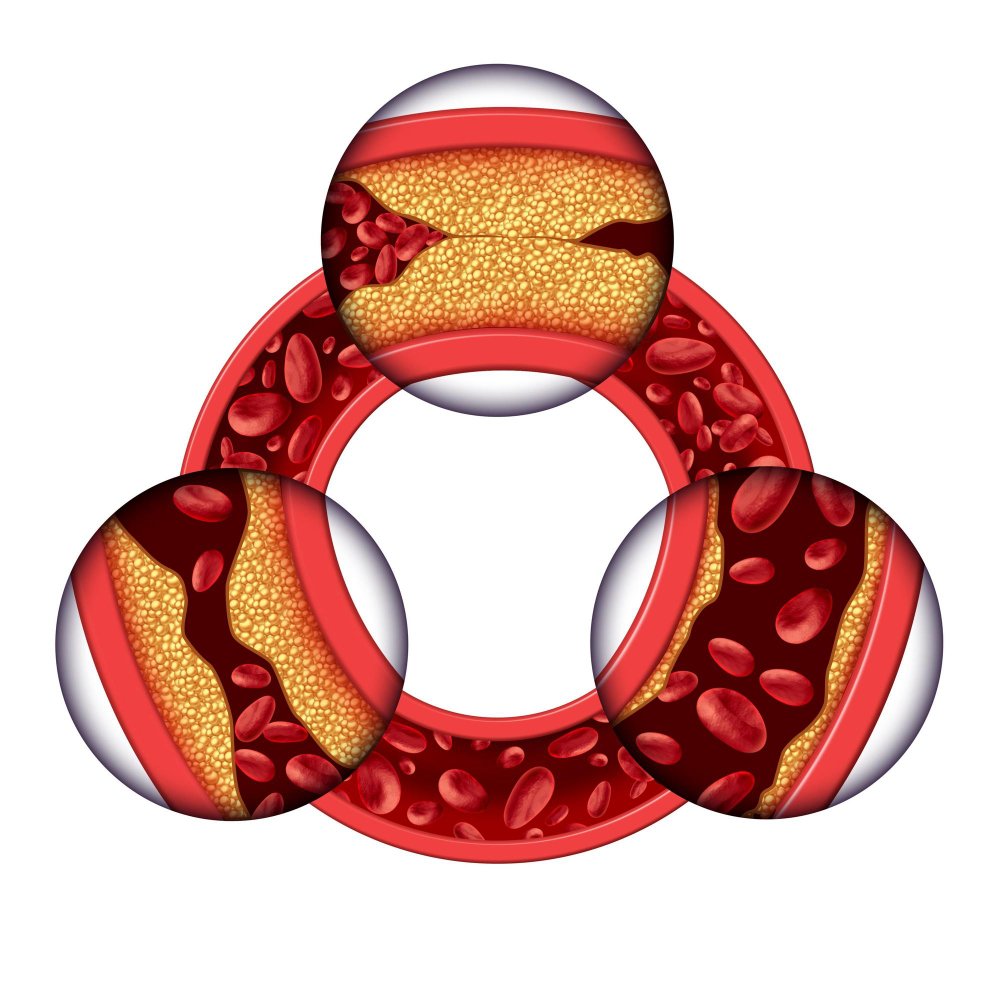
Overview Urea Cycle Disorder (UCD) is a rare inherited metabolic condition in which the body is unable to properly eliminate ammonia—a toxic waste product produced during protein metabolism. Ammonia accumulates in the blood (hyperammonemia), leading to potentially life-threatening symptoms, especially in newborns and young children. Early diagnosis, dietary management, and medical intervention are critical to […]
Urachal Remnant in Korea
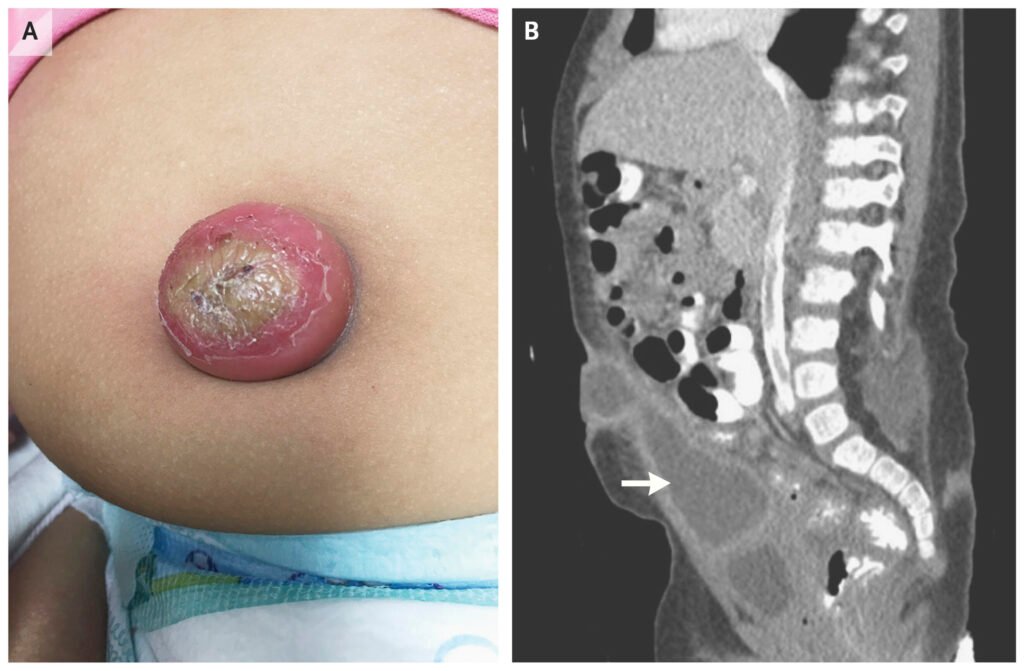
Overview Urachal Remnant is a rare congenital anomaly that results from incomplete closure of the urachus, a tube that connects the fetal bladder to the umbilical cord during development. After birth, this structure usually becomes a fibrous cord. If it fails to close completely, it can lead to various complications including infection, cyst formation, or […]
Upper Respiratory Infection (URI) in Korea

Overview Upper Respiratory Infection (URI) is a common condition that affects the nose, throat, sinuses, and larynx. Often caused by viruses, it includes illnesses such as the common cold, sinusitis, pharyngitis, and laryngitis. URIs are highly contagious and typically spread through airborne droplets or contact with contaminated surfaces. Although usually mild and self-limiting, they can […]