
Usher Syndrome in Korea

Overview Usher Syndrome is a rare, inherited disorder that affects both hearing and vision, and in some cases, balance. It is the most common condition that affects these senses together. Symptoms begin in childhood or adolescence and progress over time. Early diagnosis and intervention are essential to optimize communication, mobility, and quality of life for […]
Urticarial Vasculitis in Korea

Overview Urticarial Vasculitis is a rare form of vasculitis characterized by persistent, hive-like skin lesions that result from inflammation of the small blood vessels. Unlike typical urticaria (hives), the lesions in urticarial vasculitis are painful or burning, last longer than 24 hours, and may leave residual marks or bruising. The condition can be limited to […]
Urothelial Carcinoma (Transitional Carcinoma) in Korea

Overview Urothelial Carcinoma, also known as Transitional Cell Carcinoma, is the most common type of bladder cancer, though it can also affect the ureters, renal pelvis, and urethra. This cancer originates in the urothelium, the inner lining of the urinary tract. It can range from low-grade, non-invasive tumors to aggressive, muscle-invasive disease. Early detection and […]
Urosepsis in Korea

Overview Urosepsis is a life-threatening condition caused by a severe infection in the urinary tract that spreads into the bloodstream, leading to systemic inflammation and organ dysfunction. It is a medical emergency that requires prompt diagnosis and aggressive treatment. Urosepsis most often arises from untreated urinary tract infections, especially in high-risk populations such as the […]
Urogenital Sinus in Korea

Overview Urogenital Sinus is a rare congenital anomaly where the urinary and genital tracts fail to fully separate during fetal development. This condition can range in severity and is most often identified in infants or young children, particularly in those with ambiguous genitalia or urogenital abnormalities. Early diagnosis and individualized treatment are crucial to ensure […]
Urinoma in Korea
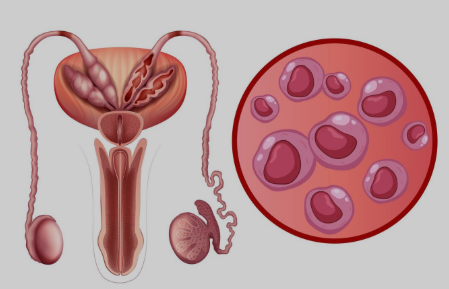
Overview Urinoma is a rare but potentially serious condition in which urine leaks from the urinary tract into surrounding tissues, usually due to trauma, obstruction, or surgical complications. The leaked urine collects in a localized area, forming a fluid-filled sac. While small urinomas may resolve on their own, larger or infected ones can lead to […]
Urine Changes in Korea

Overview Urine Changes refer to noticeable alterations in the color, odor, frequency, volume, or clarity of urine. These changes can be harmless and temporary or signal underlying medical conditions. Monitoring urine characteristics can provide valuable insights into hydration status, infections, kidney function, liver health, or metabolic disorders. Persistent or unexplained changes should be evaluated by […]
Urinary Tract Infections in Korea

Overview Urinary Tract Infections (UTIs) are among the most common bacterial infections, affecting millions of people worldwide each year. They occur when bacteria enter the urinary tract, leading to inflammation and irritation. UTIs can affect any part of the urinary system, including the bladder, urethra, ureters, and kidneys. Prompt treatment is important to prevent complications […]
Urinary Tract Infection (UTI) in Kids in Korea

Overview Urinary Tract Infections (UTIs) are common in children and occur when bacteria enter and multiply in the urinary system, which includes the kidneys, ureters, bladder, and urethra. While treatable, UTIs in kids can lead to serious complications like kidney damage if not promptly diagnosed and managed. Early recognition and treatment are key to preventing […]
Urinary Retention in Korea

Overview Urinary Retention is a condition in which the bladder does not empty completely or at all, despite the urge to urinate. It can be acute (sudden and painful) or chronic (develops slowly over time). This condition can lead to serious complications such as infections, bladder damage, or kidney problems if not treated appropriately. Prompt […]