Overview
Pregnancy is a natural and generally healthy process, but it can sometimes present with warning signs indicating complications for the mother or baby. Awareness of these signs is crucial for early intervention and preventing serious outcomes.
➤ Warning signs may indicate issues such as miscarriage, preeclampsia, gestational diabetes, infections, or preterm labor.
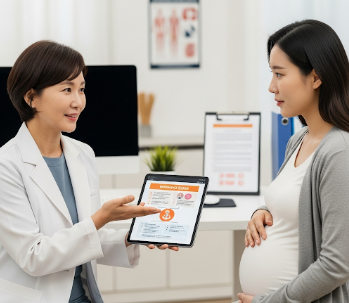
➤ Regular prenatal check-ups in Korea ensure that such warning signs are detected early.
➤ Prompt attention to warning signs improves maternal and fetal health and reduces the risk of complications.
Key Facts
► Definition: Clinical symptoms or signs during pregnancy that may indicate a potential complication.
► Prevalence: Complications occur in approximately 15–20% of pregnancies worldwide.
► Common associated symptoms: Vaginal bleeding, severe abdominal pain, swelling, headache, vision changes, and reduced fetal movement.
► Risk factors: First pregnancy, multiple pregnancies, preexisting medical conditions, maternal age, and lifestyle factors.
► Treatment in Korea: Hospitals provide obstetric monitoring, lab tests, imaging, and interventions for at-risk pregnancies.
What Are Warning Signs During Pregnancy?
Warning signs are symptoms that suggest something is not progressing normally in pregnancy and require immediate or prompt medical evaluation.
➔ They may indicate threats to maternal health, fetal well-being, or both.
➔ Some signs are mild or temporary, while others may indicate serious complications requiring urgent care.
➔ Early recognition and action can prevent severe outcomes like preterm birth, stillbirth, or maternal morbidity.
Common Warning Signs and Related Symptoms
→ Vaginal bleeding: Spotting can be normal early in pregnancy, but heavy bleeding or clots may indicate miscarriage, placenta previa, or placental abruption.
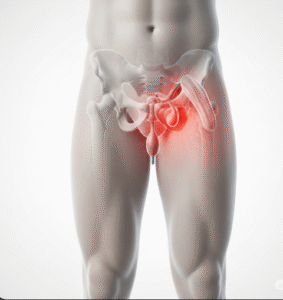
→ Severe abdominal or pelvic pain: Could suggest ectopic pregnancy, preterm labor, or uterine rupture.
→ Severe headaches or vision changes: Blurred vision, spots, or flashing lights may indicate preeclampsia (gestational hypertension).
→ Sudden swelling of hands, face, or legs: May also indicate preeclampsia.
→ Persistent vomiting and dehydration: Known as hyperemesis gravidarum, which can lead to electrolyte imbalance.
→ Fever or signs of infection: Maternal infections can affect both mother and fetus.
→ Painful urination or blood in urine: Could suggest urinary tract infections or kidney problems.
→ Reduced or absent fetal movement: May indicate fetal distress or compromised oxygen supply.
→ Fluid leakage from vagina: May indicate premature rupture of membranes (PROM).
Causes / Possible Causes of Warning Signs
Pregnancy-Specific Causes
➤ Miscarriage or threatened miscarriage – Early pregnancy bleeding or cramping.
➤ Ectopic pregnancy – Fertilized egg implants outside the uterus.
➤ Placenta previa or placental abruption – Abnormal placental positioning or separation.
➤ Preterm labor – Contractions before 37 weeks.
Systemic Causes
➔ Preeclampsia – High blood pressure and organ involvement (kidneys, liver, brain).
➔ Gestational diabetes – Affects maternal metabolism and fetal growth.
➔ Infections – Urinary tract, amniotic, or systemic infections.
Lifestyle or Environmental Factors
→ Physical trauma or falls.
→ Exposure to toxins or medications contraindicated in pregnancy.
→ Nutritional deficiencies affecting maternal or fetal health.
When Should I See My Doctor?
Immediate medical attention is required if any of the following occur:
➤ Heavy vaginal bleeding or clot passage.
➤ Severe abdominal or pelvic pain not relieved by rest or mild analgesics.
➤ Persistent headaches, vision changes, or swelling of the face and hands.
➤ High fever, severe vomiting, or dehydration.
➤ Painful urination, blood in urine, or foul-smelling discharge.
➤ Sudden reduction or absence of fetal movement.
➤ Leaking fluid from the vagina, suggesting premature rupture of membranes.
Prompt evaluation can prevent serious maternal and fetal complications.
Care and Treatment
Lifestyle and Self-Care Measures
► Maintain regular prenatal visits for early detection of complications.
► Follow a balanced diet with essential vitamins and minerals.
► Hydration and rest are crucial.
► Avoid alcohol, smoking, and unsafe medications.
► Monitor fetal movements daily from the third trimester.
Medical Treatments
➔ Medications for specific conditions: antihypertensives for preeclampsia, antibiotics for infections, antiemetics for hyperemesis.
➔ Hospitalization for severe cases like bleeding, preterm labor, or preeclampsia.
➔ Fetal monitoring using ultrasound, non-stress tests, or biophysical profiles.
Procedural and Advanced Interventions
→ Emergency delivery or cesarean section if maternal or fetal distress occurs.
→ Surgical intervention for ectopic pregnancy or placental complications.
→ IV fluids and electrolyte management for dehydration and severe vomiting.
→ Specialist consultation with maternal-fetal medicine for high-risk pregnancies.
Treatment Options in Korea
Diagnosis and Assessment
➤ Obstetricians perform clinical evaluation, blood tests, and imaging to identify complications.
➤ Monitoring of blood pressure, urine protein, and fetal growth ensures early detection of warning signs.
➤ Hospitals provide 24/7 emergency obstetric services for acute complications.
Non-Surgical Care
► Medication management for hypertension, infections, or hyperemesis.
► Nutritional guidance and lifestyle counseling for maternal and fetal health.
► Education on fetal movement monitoring and warning signs.
Advanced Care
➔ Emergency obstetric procedures like cesarean delivery or surgical intervention when necessary.
➔ Multidisciplinary care involving obstetrics, neonatology, and anesthesiology for high-risk pregnancies.
➔ Postpartum monitoring for recovery and early detection of complications.
Rehabilitation and Lifestyle Support
→ Guidance on healthy pregnancy habits, exercise, and stress management.
→ Education on signs requiring urgent care and routine prenatal check-ups.
→ Support groups for high-risk pregnancy counseling and mental well-being.
Korean hospitals provide comprehensive care combining early detection, medical management, and patient education to ensure safe pregnancies and healthy outcomes.