
Overview
Paralysis is the loss of muscle function in part or all of the body, which can affect movement, sensation, and coordination. It may be temporary or permanent, depending on the cause and severity of nerve or spinal cord damage. Paralysis can occur in one side of the body (hemiplegia), both legs (paraplegia), or all four limbs (quadriplegia).
It is not a disease in itself but a symptom of an underlying neurological or muscular condition, ranging from stroke, spinal cord injury, multiple sclerosis, traumatic injury, or nerve damage. Early evaluation and treatment are crucial to prevent complications, improve function, and enhance quality of life.
In Korea, hospitals provide advanced neurology, neurosurgery, and rehabilitation services, ensuring comprehensive care for patients experiencing paralysis.
➤ Loss of muscle function in part or all of the body
➤ Can be sudden or gradual, temporary or permanent
➤ Requires urgent evaluation to prevent further complications
Key Facts
➤ Paralysis can be complete or partial, depending on the extent of nerve or brain damage.
➤ Causes include stroke, spinal cord injuries, infections, tumors, or neurological diseases.
➤ Early intervention can improve recovery outcomes and prevent secondary complications.
➤ Associated complications may include muscle atrophy, contractures, pressure sores, and reduced mobility.
➤ Korean hospitals offer multidisciplinary rehabilitation including physiotherapy, occupational therapy, and advanced surgical care.
What is Paralysis?
Paralysis is the loss or impairment of voluntary muscle movement due to nerve, spinal cord, or brain injury. It can manifest in different forms:
➤ Hemiplegia: Paralysis of one side of the body, often following a stroke.
➤ Paraplegia: Paralysis of both lower limbs, commonly due to spinal cord injury.
➤ Quadriplegia / Tetraplegia: Paralysis of all four limbs, often from high spinal cord injuries.
➤ Localized / Focal Paralysis: Limited to a specific area, such as the face (Bell’s palsy).
➤ Flaccid vs. Spastic Paralysis: Flaccid involves limp muscles, while spastic involves stiff, contracted muscles.
What Symptoms Are Related To
Paralysis is often accompanied by a variety of related symptoms depending on the cause and location:
➤ Loss of voluntary muscle movement in affected areas.
➤ Reduced or absent sensation (numbness or tingling).
➤ Muscle weakness or stiffness.
➤ Difficulty with coordination and balance.
➤ Pain or discomfort due to nerve damage or secondary complications.
➤ Swallowing or speech difficulties in cases of facial or neurological involvement.
➤ Loss of bladder or bowel control in spinal cord-related paralysis.
➤ Secondary complications such as skin ulcers or joint contractures.
What Causes / Possible Causes
Paralysis can result from neurological, vascular, traumatic, infectious, or systemic causes:
➤ Stroke (Cerebrovascular Accident)
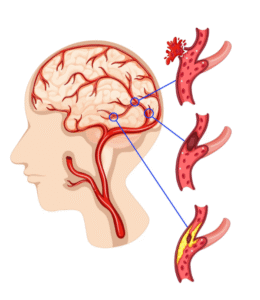
➤ Interruption of blood flow to the brain causing sudden paralysis.
➤ Often accompanied by facial drooping, speech difficulty, and limb weakness.
➤ Spinal Cord Injury
➤ Trauma from accidents, falls, or sports injuries.
➤ Can lead to paraplegia or quadriplegia depending on the level of injury.
➤ Neurological Diseases
➤ Multiple sclerosis, Guillain-Barré syndrome, and amyotrophic lateral sclerosis (ALS).
➤ Progressive nerve degeneration causing partial or complete paralysis.
➤ Infections
➤ Poliomyelitis, meningitis, or severe viral infections affecting the nervous system.
➤ Tumors or Lesions
➤ Brain or spinal cord tumors compressing nerves or spinal tracts.
➤ Peripheral Nerve Damage
➤ Trauma, diabetes, or toxic exposure affecting peripheral nerves.
➤ Congenital or Genetic Conditions
➤ Cerebral palsy or spinal muscular atrophy leading to lifelong paralysis.
When Should I See My Doctor
Paralysis is a medical emergency or urgent symptom. Seek immediate medical attention if:
➤ Sudden weakness or inability to move one side of the body.
➤ Loss of sensation, balance, or coordination.
➤ Paralysis following head injury, fall, or accident.
➤ Difficulty breathing, speaking, or swallowing.
➤ Loss of bladder or bowel control.
➤ Gradual but progressive weakness affecting daily activities.
Prompt care improves chances of recovery, prevents complications, and allows early rehabilitation.
Care and Treatment
Treatment depends on the cause, severity, and location of paralysis:
➤ Acute Medical Intervention
➤ Emergency care for stroke, trauma, or spinal cord compression.
➤ Medications to reduce inflammation, control blood pressure, or prevent clotting.
➤ Rehabilitation and Therapy
➤ Physical therapy to maintain mobility, prevent muscle atrophy, and improve strength.
➤ Occupational therapy for daily activities and adaptive skills.
➤ Speech and swallowing therapy if facial or neurological involvement is present.
➤ Surgical Intervention
➤ Decompression of spinal cord or nerve roots.
➤ Surgical repair in trauma cases.
➤ Placement of supportive devices or implants.
➤ Supportive and Preventive Care
➤ Pain management using medications or nerve blocks.
➤ Pressure sore prevention through regular repositioning.
➤ Adaptive equipment for mobility and daily living.
Treatment Options in Korea
Korea offers comprehensive, advanced care for paralysis, combining emergency, surgical, and rehabilitative services.
➤ Top Hospitals for Paralysis & Neurology
➤ Asan Medical Center (Seoul): Stroke units, neurosurgery, and rehabilitation programs.
➤ Samsung Medical Center: Multidisciplinary neurological care, spinal surgery, and nerve repair.
➤ Seoul National University Hospital (SNUH): Advanced stroke and spinal cord injury management.
➤ Yonsei Severance Hospital: Comprehensive rehabilitation and long-term care for paralysis patients.
➤ Advanced Diagnostic Tools
➤ MRI and CT scans for brain and spinal cord evaluation.
➤ Electromyography (EMG) and nerve conduction studies.
➤ Functional assessments for rehabilitation planning.
➤ Modern Interventions
➤ Minimally invasive spinal surgery.
➤ Robotic-assisted rehabilitation and physiotherapy.
➤ Stem cell therapy trials for spinal cord injuries in select centers.