Overview
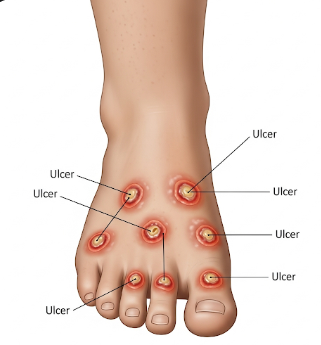
Foot and toe ulcers are open sores or wounds that develop on the feet or toes, often caused by poor circulation, neuropathy, infection, or prolonged pressure. These ulcers are particularly common in individuals with diabetes, peripheral artery disease, or neuropathic conditions. If untreated, foot ulcers can lead to severe infections, gangrene, or even amputation. In Korea, podiatry, endocrinology, and wound care clinics provide advanced care for foot ulcers, including diagnosis, debridement, infection control, and comprehensive treatment plans to promote healing and prevent recurrence.
Highlights:
➤ Open sores on feet or toes often caused by neuropathy or poor circulation
➤ Common complication in diabetes and vascular diseases
➤ Early medical care prevents infection and severe complications
Key Facts
➤ Prevalence: Foot ulcers affect up to 15% of diabetic patients during their lifetime
➤ Age affected: More common in adults, especially those with chronic illnesses
➤ Gender: Affects both males and females; slightly higher risk in males with diabetes
➤ Impact: Can impair mobility, daily functioning, and quality of life
➤ Prognosis: Depends on ulcer severity, infection status, and timely intervention
What are Foot and Toe Ulcers?
Foot and toe ulcers are breaks in the skin that expose underlying tissue, which may include dermis, fat, or even bone in severe cases. Common types include:
- Neuropathic ulcers: Caused by nerve damage, commonly in diabetics
- Ischemic ulcers: Due to poor blood supply from peripheral artery disease
- Pressure ulcers: Resulting from prolonged pressure or friction, especially in immobile patients
- Traumatic ulcers: From injuries, burns, or friction with footwear
Highlights:
➤ Ulcers range from superficial to deep, potentially exposing bone
➤ Location, size, and depth guide treatment and prognosis
➤ Diabetic patients and those with vascular disease are at highest risk
What Symptoms Are Related to Foot and Toe Ulcers?
➤ Open sores or wounds on toes, heels, or soles
➤ Redness, swelling, or warmth surrounding the ulcer
➤ Pain or tenderness, though neuropathic ulcers may be painless
➤ Drainage or pus, indicating infection
➤ Foul odor in infected or advanced ulcers
➤ Delayed healing despite basic wound care
➤ Skin color changes: Black or dark tissue may indicate necrosis
➤ Loss of sensation or numbness in neuropathic ulcers
Highlights:
➣ Symptoms indicate severity, presence of infection, and underlying causes
➣ Pain may be absent in neuropathic ulcers, delaying recognition
What Causes / Possible Causes
➤ Diabetes mellitus: High blood sugar damages nerves and blood vessels, leading to neuropathy and poor wound healing
➤ Peripheral artery disease: Reduced blood flow slows healing and increases tissue breakdown
➤ Neuropathy: Loss of protective sensation allows unnoticed injuries to develop into ulcers
➤ Pressure or friction: Ill-fitting shoes, prolonged immobility, or walking barefoot
➤ Infections: Bacterial colonization can worsen tissue damage
➤ Trauma: Cuts, burns, or puncture wounds
➤ Other conditions: Venous insufficiency, rheumatoid arthritis, or chronic edema
Highlights:
➣ Ulcers are often multifactorial, combining neuropathy, ischemia, and trauma
➣ Diabetes and vascular disease are primary risk factors
When Should I See My Doctor?
➤ Any open sore lasting more than a few days
➤ Signs of infection: Redness, warmth, pus, or foul odor
➤ Rapidly worsening or deep ulcers
➤ Fever or systemic symptoms, indicating severe infection
➤ Underlying chronic disease: Diabetes, vascular disease, or immune compromise
Highlights:
➣ Early consultation at a Korean podiatry or wound care clinic is critical
➣ Timely care reduces risk of infection, gangrene, and amputation
Care and Treatment
➤ Wound care:
- Cleaning with saline or antiseptics
- Debridement of necrotic tissue
- Dressing changes to maintain a moist healing environment
➤ Infection management: Antibiotics for bacterial colonization or systemic infection
➤ Offloading pressure: Specialized footwear, casts, or orthotics to reduce pressure on ulcers
➤ Blood sugar management: For diabetic patients, strict glycemic control promotes healing
➤ Vascular support: Medications or procedures to improve blood flow
➤ Advanced therapies: Growth factors, skin substitutes, or hyperbaric oxygen therapy in selected cases
Highlights:
➣ Comprehensive care combines wound management, infection control, and systemic support
➣ Proper offloading and monitoring are essential for effective healing
Treatment Options in Korea
Medical Treatments:
➤ Podiatry clinics: Specialized wound care, debridement, and offloading techniques
➤ Endocrinology clinics: Management of diabetes and metabolic control
➤ Vascular clinics: Assessment and treatment of peripheral artery disease
Advanced Procedures:
➤ Surgical intervention: For severe or infected ulcers, including debridement or skin grafting
➤ Hyperbaric oxygen therapy: Enhances tissue oxygenation and healing
➤ Amputation: Only considered for non-healing, infected, or gangrenous tissue
➤ Hospitalization: For severe infection, systemic illness, or complicated ulcers
Rehabilitation & Follow-Up Care:
➤ Education on foot hygiene, daily inspection, and footwear choices
➤ Regular monitoring of ulcer healing, blood sugar, and vascular status
➤ Multidisciplinary care involving podiatrists, endocrinologists, and wound care specialists
Highlights:
➣ Korean clinics provide multidisciplinary care, advanced wound therapy, and long-term prevention strategies
➣ Early intervention improves healing, prevents complications, and preserves mobility