A minimally invasive treatment for varicose veins and skin wellness
What it is
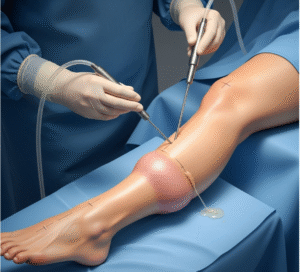
Micro-phlebectomy is a minimally invasive surgical procedure used to remove superficial varicose veins, particularly those bulging close to the skin surface. Unlike traditional vein stripping, which requires larger incisions, micro-phlebectomy is performed through tiny punctures (2–3 mm), leaving almost no scarring.
The word “micro” highlights the use of fine surgical instruments, while “phlebectomy” means removal of a vein. It is a common skin and care treatment because it not only improves vascular health but also restores skin smoothness and appearance.
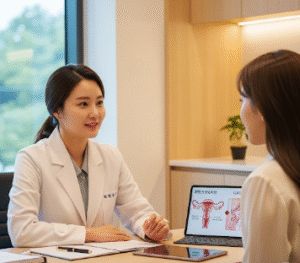
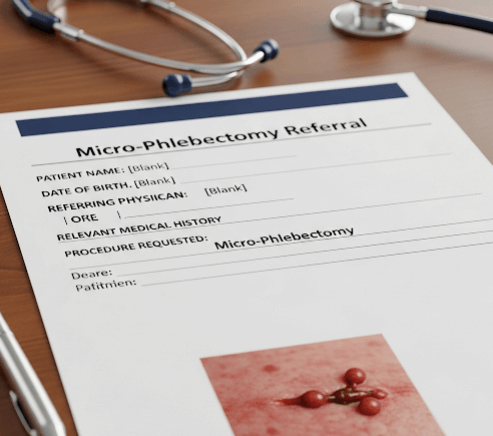
A referral for micro-phlebectomy usually comes from a vascular surgeon, dermatologist, or cosmetic specialist after clinical evaluation, especially if conservative methods are insufficient.
Why it’s done
Micro-phlebectomy is performed to treat both medical and cosmetic issues.
✔ Relieve venous insufficiency symptoms – heaviness, pain, fatigue, and swelling in the legs.
✔ Remove veins unsuitable for sclerotherapy – larger varicose veins that injections cannot treat.
✔ Improve appearance – by eliminating bulging, twisted veins.
✔ Prevent complications – untreated varicose veins may lead to ulcers, skin changes, or bleeding.
✔ Boost confidence – many patients choose it primarily for cosmetic improvement.
Alternatives
Before referral for micro-phlebectomy, alternatives are often considered.
→ Compression stockings – improve circulation and reduce swelling.
→ Sclerotherapy – injections to collapse smaller varicose or spider veins.
→ Endovenous laser therapy (EVLT) – laser energy closes larger veins from inside.
→ Radiofrequency ablation (RFA) – heat delivered via catheter to seal veins.
→ Lifestyle modifications – exercise, leg elevation, and weight control.
→ Traditional vein stripping – less common today due to invasiveness.
Micro-phlebectomy is frequently combined with other methods, particularly EVLT or sclerotherapy, for comprehensive vein care.
Preparation
Preparation ensures safety and good outcomes.
➤ Clinical evaluation – Duplex ultrasound is performed to map vein anatomy.
➤ Medical history – including clotting issues, allergies, or previous treatments.
➤ Medication review – patients may need to pause aspirin or blood thinners.
➤ Pre-procedure instructions – fasting is not usually needed; patients wear loose clothing for comfort.
➤ Arrangements – patients should arrange for transport home, especially if sedatives are used.
How it’s done
Micro-phlebectomy is performed quickly under local anesthesia.
➔ Anesthesia – Local anesthetic numbs the treatment area.
➔ Micro-incisions – Tiny punctures (2 mm) are made with a needle or scalpel.
➔ Vein removal – A hook-like instrument gently extracts the vein segment by segment.
➔ Closure – Stitches are not usually required; adhesive strips or bandages are enough.
➔ Compression – Stockings or bandages are applied immediately to aid healing.
The procedure takes 30–60 minutes, depending on the number of veins treated, and patients can walk immediately afterward.
Recovery
Recovery is one of the main advantages of micro-phlebectomy.
→ Patients go home the same day.
→ Walking is encouraged to reduce clot risk.
→ Mild swelling, bruising, or tenderness may last 1–2 weeks.
→ Compression stockings are worn for 1–2 weeks as advised.
→ Most patients return to work within 1–2 days.
→ Final cosmetic improvement is visible within a few weeks.
Complications
Although safe, minor risks exist.
✔ Bruising and swelling – common but temporary.
✔ Skin discoloration – may appear along the vein path.
✔ Temporary numbness or tingling – if nerves are irritated.
✔ Infection – rare due to small incisions.
✔ Scarring – minimal because of micro-incision size.
✔ Recurrence – new varicose veins may form if underlying vein disease persists.
Serious complications like deep vein thrombosis (DVT) are extremely rare.
Treatment options in Korea
Korea is a global leader in vein and cosmetic treatments, offering advanced micro-phlebectomy care.
➤ Specialized vein clinics – Found in Seoul, Busan, and Incheon, offering complete vascular evaluations.
➤ Integration with aesthetics – Korean clinics focus on scar-free results alongside health benefits.
➤ Advanced ultrasound mapping – Ensures accurate treatment planning.
➤ Combination therapy – Often performed with EVLT or sclerotherapy for best outcomes.
➤ Fast recovery protocols – Patients benefit from structured aftercare, including physiotherapy and compression guidance.
➤ Medical tourism support – Clinics provide bilingual consultations and concierge services for international patients.
➤ Cosmetic dermatology integration – After vein removal, clinics may offer skin rejuvenation or toning to improve leg appearance.
By choosing micro-phlebectomy in Korea, patients receive world-class vascular expertise, cutting-edge technology, and excellent cosmetic outcomes, making it a trusted choice for both health and appearance.