Guiding parents for safe and effective skin care in children
What it is
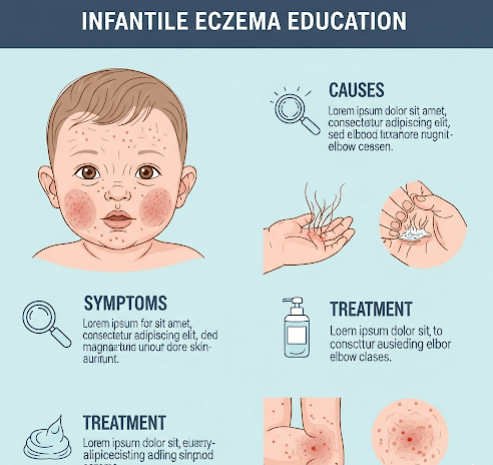
Infantile eczema, also known as atopic dermatitis, is a chronic inflammatory skin condition that often begins in infancy. It is characterized by dry, itchy, red, and irritated patches of skin, commonly found on the cheeks, scalp, arms, and legs.
Eczema in infants is linked to a genetic predisposition, environmental triggers, and an overactive immune response. Though not contagious, it significantly affects a child’s comfort and may impact sleep, feeding, and family routines.
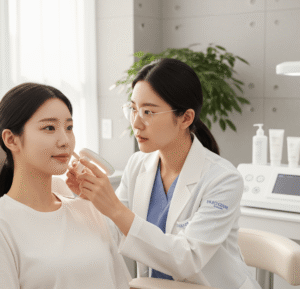
Infantile eczema education refers to structured guidance provided to parents on how to manage, prevent flare-ups, and care for their child’s sensitive skin. In Korea, education programs are often offered in pediatric dermatology clinics, hospitals, and family health centers, focusing on both medical treatment and daily skincare practices.
Why it’s done
Education for infantile eczema is essential because it empowers parents and reduces disease burden.
✔ Symptom control – Parents learn how to relieve itching, redness, and dryness.
✔ Flare-up prevention – Identifying and avoiding triggers reduces recurrence.
✔ Treatment safety – Ensures correct use of creams, medications, and skincare products.
✔ Improved quality of life – Both infants and parents benefit from better sleep and less stress.
✔ Long-term management – Early intervention may reduce the risk of severe eczema or associated allergies later in life.
Alternatives
While education is the foundation of eczema management, there are treatment alternatives to support care.
→ Moisturizer-focused therapy – Frequent application of emollients to repair the skin barrier.
→ Topical corticosteroids – Used for flare-ups to reduce inflammation.
→ Topical calcineurin inhibitors – Steroid-sparing agents for sensitive areas like the face.
→ Antihistamines – For itch relief, particularly at night.
→ Phototherapy – Narrowband UVB for resistant cases, though rarely needed in infants.
→ Lifestyle changes – Avoiding allergens, using cotton clothing, and maintaining a cool, humidified environment.
Korean clinics emphasize education plus safe medical treatment to reduce dependence on strong medications.
Preparation
Preparation for infantile eczema education includes a structured approach for parents.
➤ Medical evaluation – Dermatologists confirm diagnosis and rule out other skin conditions.
➤ Parental history – Includes family allergies, asthma, or eczema history.
➤ Symptom diary – Parents may be asked to note triggers (foods, detergents, weather).
➤ Skincare planning – Identifying appropriate cleansers, moisturizers, and topical medications.
➤ Educational materials – Parents are provided with guides, charts, or apps to track skincare routines.
How it’s done
Education is delivered in clinic sessions or structured programs.
➔ Counseling session – Dermatologists or nurses explain the nature of eczema, expected course, and management strategies.
➔ Daily skincare training – Parents are shown how to:
- Bathe infants in lukewarm water with gentle cleansers.
- Apply moisturizers immediately after bathing (“soak and seal” method).
- Use topical medications correctly.
➔ Trigger management – Guidance on avoiding irritants such as fragrances, rough fabrics, or dust mites.
➔ Emergency recognition – Parents are taught to spot signs of infection (pus, yellow crusts, sudden worsening).
➔ Follow-up system – Korean clinics often use digital apps or photo monitoring to help parents track skin condition between visits.
Recovery
Recovery in eczema means control and prevention rather than complete cure.
→ With proper education, flare-ups reduce in frequency and intensity.
→ Infants experience better sleep and comfort, improving overall growth.
→ Parents gain confidence in handling skin care and treatment.
→ Long-term, children may outgrow eczema or transition to milder forms.
→ Regular follow-ups allow adjustments in therapy as the child grows.
Complications
Without proper management, eczema can lead to complications.
✔ Skin infections – From scratching and open sores.
✔ Thickened skin (lichenification) – Due to chronic scratching.
✔ Allergic conditions – Eczema is part of the “atopic march,” which may lead to asthma or allergic rhinitis.
✔ Pigmentation changes – Light or dark patches after healing.
✔ Emotional stress – Both children and parents may experience frustration.
Korean clinics minimize these risks with early education, proactive care, and parental support programs.
Treatment options in Korea
Korea is highly advanced in pediatric dermatology and skin education programs.
➤ Multidisciplinary clinics – Teams include dermatologists, allergists, and pediatricians.
➤ Structured parent education – Many hospitals run eczema schools or workshops for families.
➤ Advanced skincare regimens – Korean dermatologists often prescribe specialized moisturizers, barrier creams, and gentle cleansers.
➤ Digital monitoring – Apps and telemedicine consultations allow parents to share photos and receive updated guidance.
➤ Cosmetic dermatology integration – Clinics may offer additional treatments like laser therapy for pigmentation or scar prevention.
➤ Medical tourism support – International families benefit from bilingual consultations and customized eczema education programs.
➤ Research leadership – Korea contributes to global studies on atopic dermatitis and early intervention strategies.
By choosing infantile eczema education in Korea, families gain comprehensive knowledge, safe treatment plans, and long-term guidance, ensuring healthier skin and improved quality of life for infants.