What it is
→ A bruise fading protocol is a structured plan developed by dermatologists or cosmetic specialists to accelerate the healing of bruises (ecchymosis) caused by trauma, injections (such as fillers or Botox), surgery, or laser treatments.
→ Bruises form when small blood vessels under the skin break and leak blood into surrounding tissues, creating red, purple, blue, or yellow patches that can last days to weeks.
→ The protocol focuses on speeding up recovery, minimizing discoloration, and preventing complications while maintaining skin health.
→ In Korea, bruise fading protocols are widely offered in dermatology clinics, especially for patients undergoing cosmetic injectables or laser therapies, where quick recovery is highly valued.
Why it’s done
→ A bruise fading protocol is done to:
- Shorten bruise duration and restore normal skin tone faster.
- Reduce swelling and tenderness associated with bruises.
- Prevent pigment changes in patients prone to post-inflammatory hyperpigmentation.
- Improve cosmetic outcomes, particularly important after facial procedures.
- Provide patients with a structured recovery plan to ease anxiety about visible bruises.
→ It is especially recommended for:
- Patients receiving cosmetic injections (fillers, Botox, PRP, mesotherapy).
- Individuals with thin or sensitive skin prone to bruising.
- Those with a history of slow-healing or long-lasting bruises.
Alternatives
→ Alternatives to a structured bruise fading protocol include:
- Natural healing → letting bruises resolve on their own (usually 7–14 days).
- Home remedies → cold compresses, aloe vera, or arnica cream.
- Over-the-counter gels → such as heparinoid or vitamin K creams.
- Makeup camouflage → using concealers to hide discoloration until bruises fade.
→ While these may work for mild bruises, a professional protocol ensures faster recovery and is particularly useful for patients undergoing aesthetic procedures.
Preparation
→ Before starting a bruise fading protocol, patients should:
- Review medications → avoid blood-thinning agents (aspirin, ibuprofen, fish oil, vitamin E) unless prescribed for medical reasons.
- Avoid alcohol → for at least 24–48 hours before procedures, as it increases bruising risk.
- Apply cold compresses immediately after procedures to reduce initial bleeding under the skin.
- Inform the dermatologist of any bleeding disorders or anticoagulant use.
- Have topical products ready (arnica gel, vitamin K cream, soothing ointments).
How it’s Done
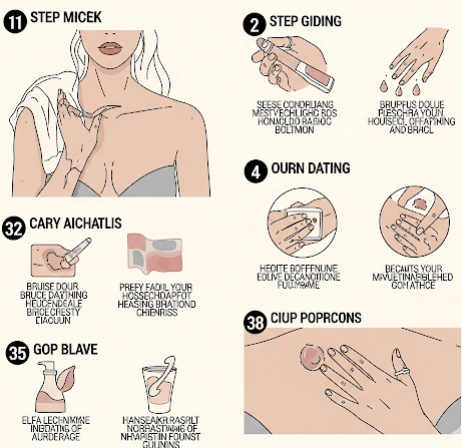
→ A bruise fading protocol usually includes stepwise care:
- Immediate care (first 24 hours)
- Apply cold compresses in 10–15 minute intervals to constrict vessels.
- Keep the treated area elevated if possible to minimize pooling of blood.
- Avoid vigorous exercise, alcohol, and heat exposure.
- Early healing (days 2–4)
- Switch to warm compresses to increase circulation and help reabsorb blood.
- Apply topical arnica or bromelain cream to reduce swelling and discoloration.
- Use vitamin K cream or gel to support faster clot breakdown.
- Mid-recovery (days 5–10)
- Gentle lymphatic massage (if approved by dermatologist) to improve circulation.
- Continue topical creams twice daily.
- Consider LED light therapy (low-level red or yellow light) offered in many Korean clinics for bruise healing.
- Long-term care (after 10 days)
- Use sunscreen to prevent pigmentation of healing bruises.
- If discoloration persists, dermatologists may recommend laser treatments (vascular lasers like pulsed dye or Nd:YAG) to break down residual blood pigments.
→ Most bruises fade within 7–14 days, but with a structured protocol, discoloration can improve much faster (3–7 days).
Recovery
→ Recovery is generally quick, as bruises are self-limiting:
- Mild bruises → heal in less than a week with proper care.
- Moderate bruises → may take 1–2 weeks.
- Deeper bruises → may last longer but fade faster with laser or light therapy.
→ Patients following a professional protocol often return to social or professional activities much sooner, with less visible discoloration.
Complications
→ While bruises are harmless in most cases, potential complications include:
- Persistent pigmentation → especially in darker skin tones if bruises are exposed to the sun.
- Pain and swelling → if bruising is extensive or near sensitive areas.
- Hematoma formation → larger collections of blood under the skin may require drainage.
- Allergic reaction → rare, from topical creams or gels.
→ With professional guidance, complications are rare and manageable.
Treatment options in Korea
→ Korea is highly advanced in cosmetic dermatology and recovery care, offering structured bruise fading protocols tailored to patient needs.
- Specialized aftercare clinics → provide bruise management services for patients after fillers, Botox, or surgery.
- Topical treatments → Korean clinics use medical-grade arnica, vitamin K, and soothing repair creams.
- LED light therapy → widely available in Korean dermatology centers for faster bruise healing.
- Vascular lasers → pulsed dye lasers (PDL) or Nd:YAG lasers are used to break down stubborn bruises.
- Holistic skincare integration → K-beauty recovery serums and moisturizers are incorporated to enhance skin repair.
- Patient-centered programs → patients receive step-by-step counseling with clear instructions for home care.
- Medical tourism services → international patients often choose Korean clinics for both aesthetic procedures and advanced aftercare.
→ With Korea’s combination of technology, skincare innovation, and structured protocols, bruise fading programs are highly effective and patient-friendly.