
What It Is
A lower body lift is a comprehensive cosmetic surgery that removes excess skin and fat from the abdomen, outer thighs, buttocks, and hips, creating a firmer and more toned lower body contour. It is often performed on patients who have lost a large amount of weight and are left with loose, sagging skin that cannot be improved through exercise or non-surgical treatments.
The procedure combines elements of a tummy tuck, thigh lift, and buttock lift into one operation, providing a dramatic transformation of the entire lower torso.
Why It’s Done
Patients choose a lower body lift because:
- Significant weight loss has left large folds of loose skin.
- Skin laxity and sagging affect clothing fit and cause physical discomfort.
- They want to restore body confidence after bariatric surgery or lifestyle weight loss.
- The procedure improves both appearance and comfort, reducing chafing, rashes, and hygiene difficulties caused by excess skin.
Ideal candidates include:
- Men and women with extensive skin laxity in the lower body.
- Patients at or near a stable, healthy weight.
- Non-smokers in good health who can tolerate a longer surgical procedure.
Alternatives
- Abdominoplasty (tummy tuck): For patients with concerns limited to the front of the abdomen.
- Thigh lift: For isolated sagging in the thighs.
- Buttock lift: For patients only seeking buttock reshaping.
- Non-surgical treatments: Radiofrequency or ultrasound skin tightening may help with mild laxity but are not effective for extensive loose skin.
Preparation
Before a lower body lift in Korea, patients will:
- Have a comprehensive consultation to evaluate skin laxity and surgical goals.
- Undergo medical tests including bloodwork and possibly imaging.
- Stop smoking and avoid alcohol for at least 4 weeks before surgery.
- Avoid medications and supplements that increase bleeding risk.
- Plan for at least 3–4 weeks of downtime and arrange support for the recovery period.
How It’s Done
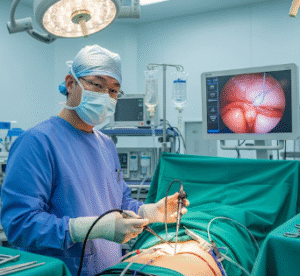
- Anesthesia: Performed under general anesthesia.
- Incisions: A circumferential incision is made around the lower torso, usually hidden within the bikini line.
- Excess skin removal: Loose skin from the abdomen, thighs, hips, and buttocks is removed.
- Muscle tightening: The abdominal wall may be tightened if separation is present.
- Buttock and thigh lift: The tissues are lifted and repositioned to restore a firmer shape.
- Duration: 5–7 hours, with most patients requiring at least one overnight hospital stay.
Recovery
- First two weeks: Swelling, bruising, and tightness are common. Pain is managed with medication. Patients may need to walk slightly bent over initially.
- Drains: Temporary drains may be placed to prevent fluid buildup.
- Compression garment: Worn for 6–8 weeks to support healing and reduce swelling.
- Return to activities: Most patients return to light work in 3–4 weeks, with strenuous activity restricted for 6–8 weeks.
- Final results: Visible improvements in contour appear within weeks, with final shaping after 6–12 months as scars mature.
Possible Complications
- Temporary numbness, bruising, and swelling.
- Seroma (fluid accumulation) or hematoma.
- Delayed wound healing due to the long incision.
- Scarring along the waistline (usually hidden by underwear).
- Rare but serious risks: infection, blood clots, or asymmetry.
Treatment Options in Korea
Diagnosis
Korean surgeons evaluate the degree of excess skin, fat distribution, and abdominal wall strength. Advanced clinics often use 3D imaging to plan incision placement and simulate outcomes.
Medical Treatments
Non-surgical treatments like skin tightening with radiofrequency or ultrasound may be suggested for patients with mild laxity, but they are not a substitute for surgery in cases of massive weight loss.
Surgical or Advanced Therapies
- Lower body lift is the gold standard for patients with circumferential skin excess.
- May be combined with liposuction for additional contour refinement.
- In some cases, performed in stages for safety and optimal results.
Rehabilitation and Support
- Post-surgery monitoring, drain management, and wound care guidance.
- Access to scar management therapies such as silicone sheeting or laser treatments.
- Lymphatic drainage massage and physiotherapy for enhanced recovery.
- International patient coordinators often provide multilingual aftercare support in Korean clinics.