What It Is
Malar augmentation implant surgery is a cosmetic procedure designed to enhance the prominence of the cheekbones by placing biocompatible implants (commonly silicone or Medpor) over the malar region. The goal is to create a more balanced and youthful facial contour.
This treatment is particularly popular in Korea, where facial harmony and three-dimensional balance are highly valued in aesthetics. Korean plastic surgeons have pioneered advanced techniques to achieve natural results tailored to different face shapes, making the country a leading destination for malar implant surgery.
Malar augmentation specifically addresses issues such as flat cheeks, loss of midface volume due to aging, or congenital underdevelopment of the cheekbones.
Why It’s Done
Patients choose malar augmentation for both cosmetic and functional reasons:
- Cosmetic Reasons: To improve facial symmetry, achieve a more sculpted look, or restore youthful volume in the midface.
- Aging Factors: As people age, the midface can appear sunken, and implants restore projection.
- Congenital or Structural Issues: Patients with naturally flat cheekbones or facial asymmetry seek implants for balance.
- Cultural Preferences: In Asia, defined cheekbones are often associated with beauty, confidence, and facial harmony.
Risk Groups & Considerations:
- Patients with thin facial skin may require careful implant selection to avoid visibility.
- Older patients may combine implants with facelift or fat grafting.
- Lifestyle considerations, such as smoking, may impact healing.
Alternatives
Malar implants are not the only option for enhancing the cheekbones. Alternatives include:
- Non-Surgical: Dermal fillers (hyaluronic acid, calcium hydroxyapatite) or fat grafting provide temporary augmentation.
- Surgical: Malar fat grafting, autologous bone grafts, or zygomatic osteotomies (bone repositioning) for more complex cases.
- Minimally Invasive: Thread lifting or combined filler-fat hybrid approaches.
While implants provide a permanent solution, many patients try fillers first to “test” the look.
Preparation
Before undergoing malar augmentation in Korea, patients typically go through:
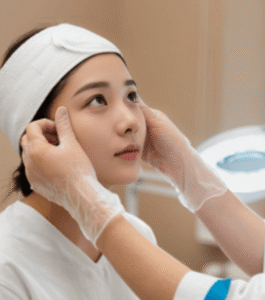
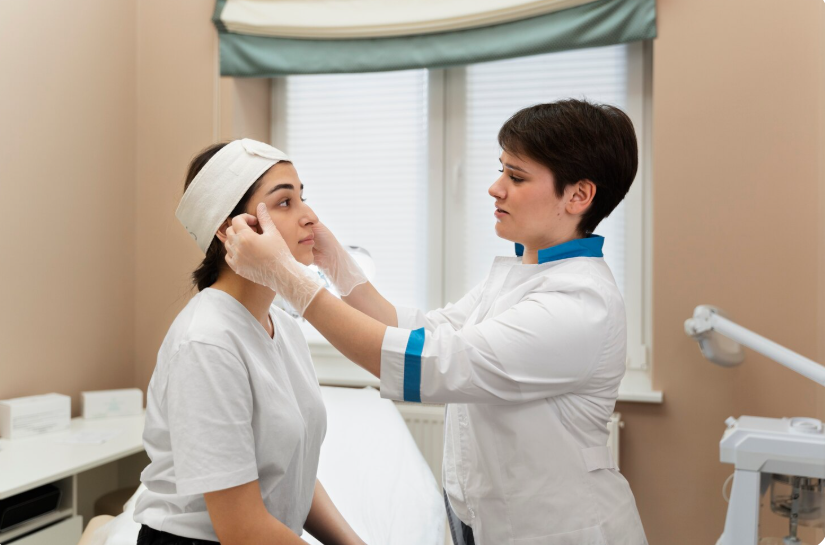
- Consultation: Facial analysis, 3D imaging, and discussion of implant type and size.
- Medical Evaluation: Blood tests, imaging, and general health checks.
- Lifestyle Adjustments: Avoid smoking, alcohol, and blood-thinning medications before surgery.
- Fasting: Usually required for 6–8 hours before surgery under general anesthesia.
How It’s Done
Malar augmentation implant surgery in Korea is performed under general anesthesia or sometimes deep sedation, depending on the clinic and patient’s needs.
Procedure Steps:
- Incisions are usually made inside the mouth (intraoral) or occasionally in the lower eyelid.
- A pocket is created over the cheekbone.
- The implant (silicone or porous polyethylene/Medpor) is inserted and adjusted for symmetry.
- The implant may be secured with sutures or micro-screws to prevent shifting.
- Incisions are closed with dissolvable sutures.
Duration: 1–2 hours.
Hospitalization: Typically outpatient, with same-day discharge.
Recovery
- Downtime: 1–2 weeks for swelling and bruising to subside.
- Pain Management: Oral pain relievers and cold compresses.
- Wound Care: Antibiotics and antiseptic mouth rinses if intraoral incisions are used.
- Diet: Soft food recommended for the first week.
- Return to Work: Most patients resume normal activities in 7–10 days.
- Final Results: Visible after swelling resolves, usually 1–3 months.
Possible Complications
As with any surgery, risks exist:
- Infection (especially with intraoral approach).
- Implant shifting or asymmetry.
- Numbness in the cheek or upper lip (temporary or rarely permanent).
- Implant extrusion (rare with modern techniques).
- Dissatisfaction with cosmetic results.
Korean clinics minimize these risks by using 3D simulation, advanced surgical planning, and sterile techniques.
Treatment Options in Korea
Diagnosis
In Korea, diagnosis begins with:
- Consultation using 3D facial scanning and imaging.
- CT scans or X-rays if bone structure analysis is needed.
- Specialist Evaluation by board-certified plastic surgeons.
Medical Treatments
For patients hesitant about implants, doctors may recommend:
- Dermal Fillers for cheek contouring.
- Fat Grafting for a more natural but less permanent option.
- Thread Lifting for mild cheek lifting without volume change.
Surgical or Advanced Therapies
- Silicone Implants: Most common due to removability and safety.
- Medpor (Porous Polyethylene) Implants: Allow tissue ingrowth for stability.
- Custom 3D Implants: Designed using CT scans for perfect anatomical fit.
- Hybrid Procedures: Combination of implants with fat grafting for a natural look.
Rehabilitation and Support
Korea is known for its advanced post-op support systems:
- Post-op Checkups within days and weeks after surgery.
- Lymphatic Massage & Swelling Care offered in many clinics.
- International Patient Services: Translation, recovery rooms, and concierge care.
- Long-Term Follow-Up: Ensures stability and satisfaction.