A Comprehensive Guide to Skin and Care Treatment
➤ What it is
Impetigo is a highly contagious superficial bacterial skin infection, most commonly caused by Staphylococcus aureus or Streptococcus pyogenes.
It typically affects children but can occur at any age. The condition spreads easily through skin-to-skin contact, scratching, or shared items such as towels.
Types of impetigo:
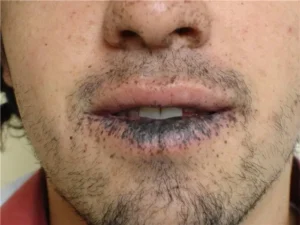
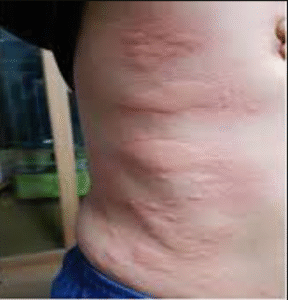
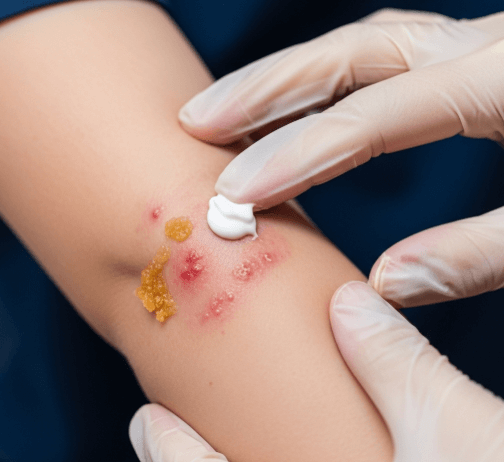
- Non-bullous impetigo (classic type): honey-colored crusts on red sores, especially around mouth and nose.
- Bullous impetigo: fluid-filled blisters caused by toxin-producing bacteria.
- Ecthyma: a deeper form, leading to ulcer-like lesions.
In Korea, impetigo is treated with a blend of medical antibiotic therapy, meticulous skincare, and preventive hygiene practices, with a focus on both quick clearance and preventing recurrence.
➤ Why it’s done
Prompt treatment of impetigo is important because:
- Highly contagious → untreated impetigo spreads to family, classmates, or co-workers.
- Prevents complications → such as cellulitis, kidney inflammation (post-streptococcal glomerulonephritis), or scarring.
- Reduces discomfort → itching, oozing, and crusting cause irritation.
- Improves appearance → crusty sores can be socially distressing.
- Korean dermatology context → emphasis on clean, healthy skin makes fast impetigo treatment a top priority.
➤ Alternatives
Different approaches may be used depending on severity:
Topical Antibiotics (First-Line for Mild Cases)
- Mupirocin, fusidic acid, or retapamulin ointments.
- Applied 2–3 times daily for 5–7 days.
Oral Antibiotics (For Moderate to Severe or Widespread Cases)
- Dicloxacillin, cephalexin, or clindamycin.
- If MRSA suspected → doxycycline, trimethoprim-sulfamethoxazole, or linezolid.
Supportive Skincare
- Gentle cleansing with mild antiseptic solutions (chlorhexidine, povidone-iodine).
- Removal of crusts with warm compresses before antibiotic application.
- Barrier-repair moisturizers to reduce irritation.
Korean Dermatology Approaches
- Clinic-based antibacterial cleansing programs.
- LED blue light therapy to reduce bacterial load and inflammation.
- K-beauty soothing products with centella asiatica, panthenol, or green tea for healing after infection clears.
➤ Preparation
Preparation helps ensure accurate diagnosis and effective treatment:
- Dermatology Consultation
- Visual exam of lesions.
- Bacterial culture sometimes taken to confirm organism and check for resistance.
- Digital dermoscopy (used in Korea) may document lesion severity.
- Pre-Treatment Guidelines
- Avoid scratching or picking at lesions (reduces spread).
- Do not apply over-the-counter steroid creams.
- Clean affected skin gently before clinic visit.
- Patient Education
- Impetigo is contagious → avoid sharing towels, clothes, or bedding.
- Children should stay home from school until treated for at least 24–48 hours.
➤ How it’s Done
Impetigo treatment in Korea follows an evidence-based, multi-step approach:
1. Mild Cases (Localized)
- Topical antibiotics (mupirocin, fusidic acid) applied directly to lesions.
- Crusts gently removed with saline or warm water compress before application.
- Duration: 5–7 days.
2. Moderate to Severe Cases (Widespread or Bullous)
- Oral antibiotics prescribed for 7–10 days.
- Medication tailored to bacterial culture results when necessary.
- Topical antibiotics sometimes combined with systemic therapy.
3. Supportive Care
- Daily cleansing with mild antiseptic wash.
- Hydration and barrier creams to prevent excessive dryness.
- Itch management with antihistamines if needed.
4. Preventive Measures
- Educating patient/family on hygiene: frequent hand washing, short fingernails, disinfecting bedding.
- Avoiding close contact until infection clears.
- Treating coexisting conditions (e.g., eczema) that increase risk.
5. Korean Dermatology Enhancements
- LED blue light therapy → decreases bacterial activity, speeds healing.
- Hydration masks or creams → repair barrier post-infection.
- Customized skincare regimens → hypoallergenic cleansers, ceramide creams.
➤ Recovery
Recovery is usually quick with proper treatment:
- Topical therapy → improvement in 2–3 days, full clearance within 1 week.
- Oral antibiotics → symptoms resolve in 3–5 days, lesions heal fully in 1–2 weeks.
- Post-inflammatory pigmentation may linger temporarily but fades with time.
Aftercare Instructions:
- Complete full antibiotic course.
- Keep skin clean and moisturized.
- Avoid scratching or picking.
- Resume normal activities once lesions dry or 48 hours after starting antibiotics.
Korean Recovery Practices:
- Barrier-repair toners and creams used to strengthen skin after infection.
- Brightening serums (niacinamide, vitamin C) for pigmentation recovery.
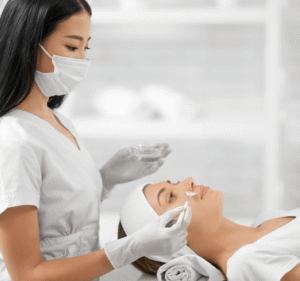
- Clinic facials for skin soothing once infection fully resolved.
➤ Complications
If left untreated or improperly managed, impetigo can cause:
- Spread to deeper skin layers → cellulitis or abscesses.
- Systemic complications (rare) → kidney inflammation after streptococcal infection.
- Scarring or pigmentation changes.
- Recurrence if hygiene not maintained.
Treatment-related risks:
- Antibiotic resistance from overuse.
- Skin irritation from antiseptic cleansers.
- Allergic reactions to antibiotic ointments (rare).
Korean clinics minimize risks by:
- Performing cultures in resistant cases.
- Rotating topical antibiotics when needed.
- Adding soothing and barrier-focused skincare post-treatment.
➤ Treatment Options in Korea
Korea has a reputation for efficient, aesthetic-centered infectious skin care.
Why Korea excels:
- Prompt, evidence-based antibiotic therapy.
- Integration with K-beauty skincare for barrier and pigment recovery.
- Advanced clinic devices like LED therapy for adjunctive treatment.
- Strong hygiene culture → education and prevention widely emphasized.
Unique Korean Practices:
- Clinic-based antibacterial cleansing sessions.
- LED blue light treatment to reduce bacterial load.
- Barrier-repair skincare prescriptions to minimize recurrence.
- Medical tourism services for families seeking pediatric dermatology expertise.
✨ Final Thoughts
Impetigo Treatment in Korea offers patients a fast, safe, and comprehensive approach to a highly contagious skin infection. With topical and oral antibiotics, supported by hygiene education, LED therapy, and barrier-repair skincare, Korean dermatologists ensure not only rapid clearance but also cosmetic recovery.
This integration of modern medicine, preventive care, and K-beauty science makes Korea a global leader in impetigo management, helping patients regain both healthy skin and confidence.