🟢 What it is
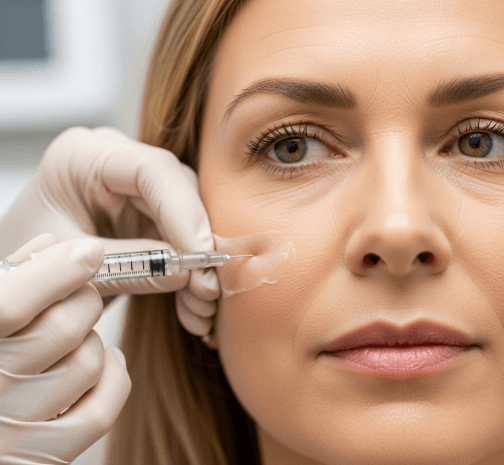
A Nasolabial Fold Filler in Korea is a non-surgical injectable treatment that reduces the depth and visibility of the lines that run from the sides of the nose down to the corners of the mouth—commonly called “smile lines” or “laugh lines.”
These folds become more noticeable with aging, volume loss, and skin laxity, often making the face look older or more tired. By injecting dermal fillers—most commonly Hyaluronic Acid (HA)—Korean dermatologists smooth and soften the area while maintaining natural facial expressions.
Korea’s advanced filler techniques emphasize a subtle, refreshed look rather than completely erasing the folds, as natural creases are important for facial expression.
🟢 Why it’s Done
Patients in Korea seek nasolabial fold fillers for both aesthetic rejuvenation and facial balance:
➡️ Reduce aging signs: Smooths deep lines that appear with age.
➡️ Restore lost volume: Replaces fat and collagen lost in the mid-face.
➡️ Improve facial harmony: Balances proportions between cheeks, mouth, and jawline.
➡️ Non-surgical solution: Offers fast results without invasive facelifts.
➡️ Boost confidence: Creates a fresher, less tired appearance.
In Korea, this treatment is often performed with cheek fillers or skin boosters for a more natural and long-lasting outcome.
🟢 Alternatives
While fillers are highly effective for nasolabial folds, alternatives exist:
🔹 Cheek Fillers: Restoring cheek volume often indirectly lifts and reduces folds.
🔹 Thread Lifting: Lifts sagging skin to soften smile lines.
🔹 HIFU (High-Intensity Focused Ultrasound) or Thermage: Tightens skin and improves elasticity.
🔹 Sculptra (PLLA): Stimulates collagen production for gradual improvement.
🔹 Fat Grafting: Uses patient’s fat for volume restoration.
🔹 Surgical Facelift: Long-term correction for severe sagging, though invasive.
🟢 Preparation
Before receiving nasolabial fold filler in Korea, preparation helps ensure safety and effectiveness:
➡️ Consultation: Doctors analyze whether the folds are due to skin laxity, fat loss, or deep creasing.
➡️ Medical history: Disclosure of allergies, bleeding disorders, or previous filler treatments.
➡️ Avoid blood thinners: No aspirin, ibuprofen, alcohol, or fish oil 3–5 days before.
➡️ Skin care adjustment: Avoid harsh exfoliants, retinoids, and chemical peels before treatment.
➡️ Realistic expectations: Korean doctors often explain that the goal is softening rather than completely removing the folds.
🟢 How it’s Done
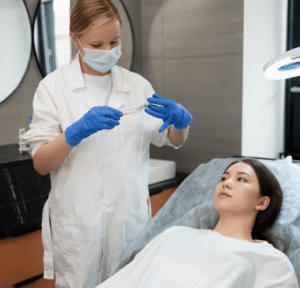
The procedure is relatively quick, usually 20–30 minutes:
- Cleansing & sterilization of the nasolabial fold area.
- Numbing: Topical anesthetic or fillers with lidocaine for comfort.
- Injection technique:
- Cannula method (preferred in Korea) reduces bruising and allows even filler placement.
- Needle injection may be used for precise, layered filling.
- Shaping & blending: Doctor massages filler to ensure smoothness and symmetry.
- Final check: Natural facial expressions are tested to avoid stiffness.
Korean doctors typically use a layered approach, sometimes filling both the mid-cheek and fold itself for balanced results.
🟢 Recovery
Recovery is fast and straightforward:
🔹 Downtime: Minimal—most patients return to daily activities immediately.
🔹 Swelling & redness: Lasts 1–3 days.
🔹 Bruising: May occur, lasting up to a week.
🔹 Results: Visible immediately, with final settling in 1–2 weeks.
✅ Post-care in Korea includes:
- Avoid strenuous activity, alcohol, and saunas for 24–48 hours.
- Do not press or massage the treated folds.
- Apply cold compress to minimize swelling.
- Use sunscreen daily to protect the skin.
🟢 Complications
Nasolabial fillers are safe but require skilled application, as the area contains important blood vessels:
⚠️ Mild side effects:
- Redness, swelling, tenderness.
- Small lumps (usually smooth out over time).
⚠️ Serious risks (rare):
- Vascular occlusion, which may lead to skin necrosis.
- Tyndall effect (bluish tint) if filler is injected too superficially.
- Infection at injection site.
- Overfilling, resulting in an unnatural or stiff smile.
➡️ Korean doctors reduce risks by using blunt cannulas, micro-dosing techniques, and high-quality fillers, and keep hyaluronidase available to dissolve HA fillers if needed.
🟢 Treatment Options in Korea
Korea is a leader in filler-based facial rejuvenation, offering advanced techniques and products:
🔹 Popular filler brands for nasolabial folds:
- Korean: Yvoire, Neuramis, Replengen, Revolax, Dermalax.
- Global: Juvederm Voluma/Ultra, Restylane Lyft, Teosyal RHA.
🔹 Approaches in Korea:
- Direct fold filling: Injects filler directly into the line.
- Cheek support filling: Adds volume to cheeks to lift folds naturally.
- Combination therapy: Uses fillers + skin boosters or threads for stronger results.
🔹 Cost in Korea:
- $300–$600 per session, depending on filler type and depth of folds.
- Combination packages (cheek + fold fillers): $800–$1,500.
- Results typically last 9–15 months with HA fillers.
🟢 Final Thoughts
Nasolabial Fold Fillers in Korea are one of the most effective, non-surgical ways to soften smile lines and rejuvenate the mid-face.
➡️ Ideal for individuals with moderate to deep folds caused by aging or volume loss.
➡️ With Korea’s refined techniques, advanced filler brands, and emphasis on natural expression, patients can achieve a younger, fresher look without appearing “frozen.”
In summary: Nasolabial fold fillers in Korea are a safe, customizable, and minimally invasive solution that restore balance, smooth creases, and enhance facial harmony—perfectly aligned with the Korean philosophy of subtle, natural beauty.