What It Is
A Collagen Booster Program is a comprehensive dermatological approach designed to stimulate, restore, and maintain collagen production in the skin. Collagen, the main structural protein in the dermis, is essential for firmness, elasticity, and a youthful appearance. However, after the age of 25, natural collagen production decreases by approximately 1–2% per year, leading to fine lines, sagging, and loss of volume.
Unlike single treatments, the program is a multi-modal plan, often combining:
➝ Injectables such as Sculptra, Radiesse, Rejuran Healer, or exosome boosters.
➝ Energy-based devices including radiofrequency microneedling, ultrasound (Ultherapy), or fractional lasers.
➝ Regenerative treatments like PRP (platelet-rich plasma) and polynucleotide injections.
In Korea, the Collagen Booster Program has become a cornerstone of anti-aging care, reflecting the K-beauty philosophy of gradual, natural, and preventative rejuvenation.
Why It’s Done
The purpose of collagen booster programs is not only to correct visible aging signs but also to delay their onset.
➝ Anti-aging & wrinkle reduction: By stimulating collagen, skin becomes firmer and smoother, reducing fine lines.
➝ Improved elasticity & resilience: Skin regains its bounce and resistance to sagging.
➝ Treatment of scars & texture issues: Especially effective for acne scars and enlarged pores.
➝ Preventative aging care: Popular among people in their late 20s and 30s to maintain youthful skin.
➝ Restoration of volume: Subtly enhances facial contours without the “filled” look that dermal fillers sometimes cause.
In Korean culture, skin elasticity (탄력, talryeok) is highly prized, and collagen-focused treatments are viewed as a way to maintain the “baby-face look” (동안, dongan) long into adulthood.
Alternatives
If a collagen booster program is not chosen, alternatives include:
- Dermal Fillers (HA fillers) → Immediate volumizing but do not promote collagen regeneration.
- Chemical Peels → Improve skin texture but limited in collagen stimulation.
- Botox → Relaxes wrinkles but has no effect on skin firmness.
- Topical Retinoids & Skincare → Promote collagen indirectly, requiring long-term consistency.
- Surgical Lifts (facelift, thread lift) → Address sagging structurally, but invasive.
In Korea, dermatologists rarely rely on a single alternative. Instead, they recommend hybrid treatments, such as combining PRP with RF microneedling or Sculptra with Rejuran Healer, to maximize both immediate and long-term benefits.
Preparation
Before starting a collagen booster program, careful preparation ensures safety and effectiveness:
➝ Initial consultation: Korean dermatologists use advanced imaging and elasticity tests to assess collagen depletion.
➝ Medical review: Allergies, medications (especially blood thinners), and history of scarring are checked.
➝ Lifestyle adjustments: Patients are advised to avoid alcohol and smoking for at least 48 hours before.
➝ Skincare prep: Stop strong actives (retinoids, acids) 5–7 days prior.
➝ Blood test (if PRP involved): To ensure platelet quality for plasma extraction.
➝ Hydration: Adequate water intake helps improve recovery.
In Korean clinics, preparation often includes a pre-care facial with hydration and calming solutions to ensure the skin is in its best condition before the program begins.
How It’s Done
The Collagen Booster Program typically includes multiple modalities, combined over several sessions:
- Cleansing & numbing
- Skin is deeply cleansed.
- A numbing cream is applied for injections or microneedling procedures.
- Core treatments
- Injectables → Sculptra (poly-L-lactic acid) stimulates fibroblasts to create collagen over months; Rejuran Healer (polynucleotides from salmon DNA) repairs and strengthens skin structure; Exosome therapy delivers regenerative signals to cells.
- Energy devices → RF microneedling (Scarlet, Sylfirm X) remodels collagen through controlled thermal energy; Ultherapy uses ultrasound for lifting; Thermage FLX applies radiofrequency for skin tightening.
- PRP therapy → Uses the patient’s plasma to encourage repair and collagen formation.
- Post-care
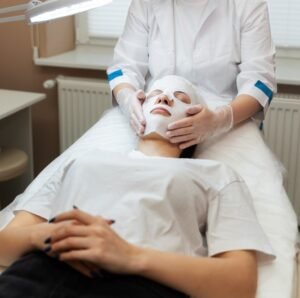
- Cooling masks, LED red-light therapy, and hydrating serums are applied immediately after.
- Treatment schedule
- Usually 3–6 sessions, spaced 3–4 weeks apart.
- Maintenance every 6–12 months for lasting results.
Recovery
Recovery is typically mild and short compared to surgical options:
- Immediately after: Redness, mild swelling, or tiny pinpoint marks if microneedling was used.
- Day 2–5: Slight dryness, flaking, or bruising may occur.
- Week 1–2: Noticeable improvements in skin smoothness and firmness.
- Month 2–6: Progressive tightening and elasticity improvements as collagen builds.
Aftercare recommendations:
➝ Use SPF 50+ daily.
➝ Avoid strong skincare actives for at least 5–7 days.
➝ Refrain from alcohol, smoking, saunas, and strenuous workouts for 48 hours.
➝ Maintain hydration and use calming, hydrating skincare.
Korean clinics excel in aftercare support, often providing home-care kits with sheet masks, recovery creams, and detailed instructions.
Complications
Collagen booster programs are generally safe but may include:
➝ Bruising & swelling: Common after injections but temporary.
➝ Nodules or lumps: Rare with stimulators like Sculptra if not injected evenly.
➝ Hyperpigmentation: Uncommon but possible after laser or RF treatments in darker skin.
➝ Infection: Extremely rare if hygiene is maintained.
➝ Overcorrection: Excess collagen growth may form firm nodules, though very rare.
Korea minimizes these risks with precise injection protocols, use of state-of-the-art devices, and highly skilled dermatologists trained in treating Asian skin types.
Treatment Options in Korea
South Korea is a global leader in collagen-boosting treatments, offering highly advanced and accessible options.
1. Signature Injectables & Boosters
- Sculptra → Long-term collagen stimulator.
- Rejuran Healer → A Korean innovation using salmon DNA fragments to heal and thicken skin.
- Exosome Therapy → Next-generation regenerative treatment enhancing collagen and healing.
- Juvelook & Lenisna → Hybrid stimulators widely used in Korea for scars and anti-aging.
2. Advanced Devices
- Ultherapy (HIFU) → Non-invasive lifting with ultrasound energy.
- Thermage FLX → Radiofrequency tightening for deeper collagen stimulation.
- RF Microneedling (Scarlet, Sylfirm X) → Dual action of micro-injury + thermal stimulation.
- Fractional Lasers (Fraxel, Mosaic) → Improve scars, texture, and collagen density.
Final Thoughts
The Collagen Booster Program in Korea embodies the Korean philosophy of natural, preventative, and progressive skincare. Instead of offering quick fixes, it provides a long-term solution for firmer, healthier, and more youthful skin.
By combining injectables, energy devices, and regenerative medicine, Korean dermatologists tailor programs that fit individual needs and ensure lasting results. For anyone seeking youthful skin that looks natural rather than “done”, Korea stands out as one of the world’s best destinations.