What It Is
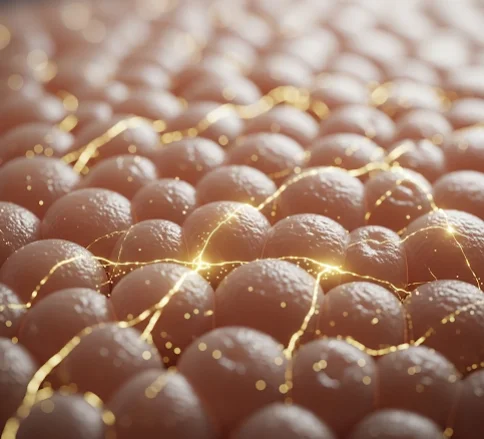
The skin barrier — also called the stratum corneum — is the outermost layer of the skin that protects against environmental stressors, pollution, UV radiation, and pathogens while preventing excessive water loss. A healthy barrier ensures skin stays hydrated, resilient, and balanced.
Skin barrier repair treatments aim to restore and strengthen this protective function when it has been compromised by:
- Overuse of harsh skincare (retinoids, acids, exfoliants)
- Chronic skin conditions (eczema, rosacea, dermatitis)
- Environmental stressors (UV exposure, pollution, dry air)
- Aging and lifestyle factors (smoking, stress, poor sleep)
In Korea, skin barrier repair is seen as the foundation of K-beauty philosophy: skin health first, aesthetics second. Clinics use a combination of hydrating facials, regenerative injectables, soothing light therapy, and medical-grade skincare to rebuild and maintain the skin barrier.
Why It’s Done
Patients seek skin barrier repair for both medical and cosmetic reasons:
➝ Relieve sensitivity → Repairing the barrier reduces redness, itching, and irritation.
➝ Restore hydration → Strengthens the skin’s ability to retain moisture.
➝ Prevent premature aging → A healthy barrier reduces fine lines and sagging caused by inflammation.
➝ Improve treatment tolerance → Restored skin can better handle peels, lasers, or retinoids.
➝ Boost glow and resilience → A repaired barrier results in smoother, more radiant skin.
➝ Chronic skin condition management → Supports eczema, rosacea, or acne-prone skin by reducing flare-ups.
In Korean dermatology, barrier repair is a preventative strategy. Even patients with “normal” skin undergo barrier-strengthening treatments to ensure long-term youthfulness and the signature “chok-chok” (dewy glow).
Alternatives
While direct barrier repair therapies are effective, alternatives and supportive treatments include:
- Topical barrier creams → Products containing ceramides, hyaluronic acid, and niacinamide.
- Lifestyle changes → Improved diet, hydration, and sleep quality.
- Oral supplements → Omega-3 fatty acids and antioxidants.
- Mild skincare routines → Using non-stripping cleansers and fragrance-free moisturizers.
- Thermal water sprays → Soothe irritation and provide minerals.
In Korean clinics, alternatives are often integrated with barrier repair programs. For instance:
- LED red light therapy + soothing ampoule → Calms inflammation and promotes healing.
- Rejuran Healer (PN injectables) → DNA fragments that rebuild skin structure and improve barrier function.
Preparation
Preparation for skin barrier repair depends on the method used, but general steps include:
➝ Consultation → Skin is assessed with hydration scanners and barrier integrity tests.
➝ Discontinue harsh actives → Stop retinoids, exfoliating acids, or scrubs 5–7 days prior.
➝ No excessive sun exposure → Avoid tanning or sunburns before treatment.
➝ Hydration focus → Patients are encouraged to drink water and use mild moisturizers.
➝ Medical history review → Especially important if suffering from eczema, allergies, or chronic skin diseases.
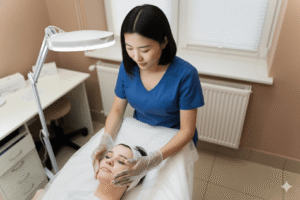
In Korea, dermatologists often start with a gentle pre-care facial to hydrate and calm the skin, ensuring it responds well to the treatment.
How It’s Done
Skin barrier repair in Korea is usually performed as a multi-step program rather than a single procedure:
- Cleansing → Using mild, pH-balanced cleansers.
- Soothing therapies → Calming masks, cryotherapy, or oxygen facials.
- Regenerative boosters → Injectables such as:
- Rejuran Healer (polynucleotides) → Repairs skin structure.
- Exosome therapy → Improves barrier and cellular communication.
- Skin boosters (HA, vitamins) → Hydration and strengthening.
- LED red light therapy → Reduces inflammation and accelerates healing.
- Topical infusions → Ampoules containing ceramides, peptides, or growth factors.
- Final care → Application of medical-grade moisturizers and SPF.
Treatment schedule:
- Initial phase → 3–5 sessions spaced 2–4 weeks apart.
- Maintenance → Once every 2–3 months, depending on lifestyle and skin condition.
Recovery
Recovery is generally minimal, especially compared to aggressive resurfacing treatments:
- Immediately after → Skin feels hydrated, calmer, and soothed.
- Day 1–3 → Redness or dryness (if injections were used) resolves quickly.
- Week 1–2 → Sensitivity decreases, hydration levels improve.
- Month 1–3 → Skin becomes visibly stronger, smoother, and more resilient.
Aftercare tips:
➝ Use SPF 50+ daily to protect against UV-induced barrier damage.
➝ Stick to gentle cleansers and fragrance-free moisturizers.
➝ Avoid alcohol, smoking, and excessive exfoliation.
➝ Stay hydrated and follow a balanced diet rich in omega-3s.
In Korea, many clinics provide take-home barrier creams, hydrating sheet masks, and serums to support ongoing recovery.
Complications
Skin barrier repair is very safe, but mild issues may occur depending on the method:
➝ Redness and swelling → Temporary, especially after injectables.
➝ Bruising → From mesotherapy-style injections.
➝ Allergic reactions → Rare, depending on product ingredients.
➝ Temporary dryness → As the skin adjusts to treatment.
Korean clinics minimize complications by tailoring treatments to skin type, using sterile techniques, and providing detailed aftercare instructions.
Treatment Options in Korea
Korea offers some of the most advanced skin barrier repair programs, making it a leader in this field.
1. Popular Barrier Repair Treatments
- Rejuran Healer (PN injections) → Repairs damaged skin DNA and strengthens barrier.
- Exosome therapy → Regenerates skin at the cellular level.
- HA skin boosters → Deep hydration to restore barrier.
- Antioxidant infusions → Protect barrier from oxidative stress.
- LED phototherapy → Reduces inflammation and accelerates recovery.
2. Korean Innovations
- Multi-step facials → Combine aqua peeling, hydration infusion, and soothing masks.
- Hybrid treatments → Fractional laser + exosome + barrier cream for balanced renewal.
- Customized ampoules → Ceramides, peptides, and niacinamide blends tailored to each patient.
Final Thoughts
Skin Barrier Repair in Korea reflects the foundation of K-beauty: healthy skin first, beauty second. By focusing on restoring hydration, reducing sensitivity, and strengthening resilience, these treatments create skin that not only looks better but also functions optimally.
Korean clinics excel in combining regenerative injectables, hydrating infusions, and soothing therapies to repair the skin barrier safely and effectively. For anyone struggling with sensitivity, dryness, or irritation — or those simply looking to maintain strong, youthful skin — Korea offers some of the best solutions worldwide.