
What It Is
Upper blepharoplasty, commonly known as eyelid surgery, is a cosmetic procedure that removes excess skin, fat, and sometimes muscle from the upper eyelids. This treatment helps to correct drooping eyelids, improve the appearance of tired or aged eyes, and can also enhance the visibility of the eyes.
Why It’s Done
Patients choose upper blepharoplasty to:
- Improve eyelid appearance and create a more youthful look
- Correct ptosis (mild drooping) affecting vision
- Reduce skin folds that interfere with makeup application or eye comfort
It is suitable for adults with excess eyelid skin, puffiness, or age-related changes. Both aesthetic and functional reasons motivate patients, especially those experiencing vision obstruction due to droopy eyelids.
Alternatives
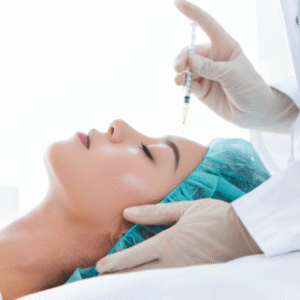
- Non-surgical options: Botox or laser skin tightening for minor eyelid sagging
- Lower eyelid surgery: For puffiness or wrinkles below the eye
- Double eyelid surgery: In combination with upper blepharoplasty for aesthetic enhancement
Preparation
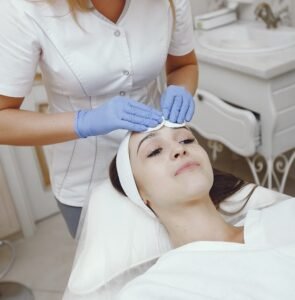
- Preoperative consultation with a Korean plastic surgeon to assess eyelid anatomy
- Discussion of medical history, prior eye surgeries, and allergies
- Avoiding blood-thinning medications and smoking for safer recovery
How It’s Done
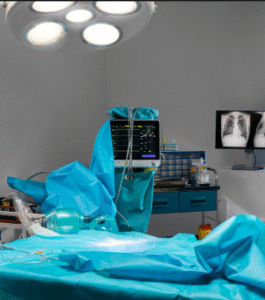
- Usually performed under local anesthesia with sedation or general anesthesia
- Incisions are made along the natural crease of the upper eyelid
- Excess skin, fat, and sometimes muscle are removed or repositioned
- Incisions are closed with fine sutures, often resulting in minimal visible scarring
- The procedure takes 1–2 hours and may be outpatient or require brief observation
Recovery
- Mild swelling, bruising, or tightness is common for the first week
- Stitches are typically removed within 5–7 days
- Avoid strenuous activity and eye strain for 2–3 weeks
- Final results become more visible after 1–3 months
Possible Complications
- Temporary swelling, bruising, or asymmetry
- Scarring or pigment changes along the incision
- Rare complications: infection, bleeding, or dry eyes
- Careful selection of an experienced Korean surgeon minimizes these risks
Treatment Options in Korea
Diagnosis
Korean surgeons evaluate eyelid structure, skin quality, and orbital anatomy. Functional assessment ensures vision is not obstructed.
Medical Treatments
Non-surgical treatments include laser resurfacing, radiofrequency tightening, or injectables for minor sagging.
Surgical or Advanced Therapies
Advanced upper blepharoplasty in Korea includes precise incision placement, minimal scar techniques, and combined procedures like ptosis correction or fat repositioning.
Rehabilitation and Support
Postoperative care includes swelling management, follow-up visits, eye ointments if needed, and access to international patient services for a smooth recovery.
Advantages of receiving treatment in Korea: high surgical expertise, state-of-the-art clinics, meticulous aesthetic planning, minimal downtime, and cost-effective options for international patients.