Lentigo Treatment in Korea is a specialized service offered at advanced dermatology clinics to address lentigines (commonly known as age spots, liver spots, or sun spots). Lentigines are benign pigmented spots that appear on sun-exposed areas of the skin, such as the face, hands, shoulders, and arms. They are caused by excess melanin production due to sun exposure, aging, or genetics.
In Korea, where clear, youthful, and even-toned skin is a core part of beauty culture, lentigo treatments are highly sought after. Korean dermatologists use cutting-edge laser systems, IPL/BBL therapy, chemical peels, and medical-grade skincare programs to effectively reduce or eliminate lentigines with minimal downtime and natural-looking results.
What It Is
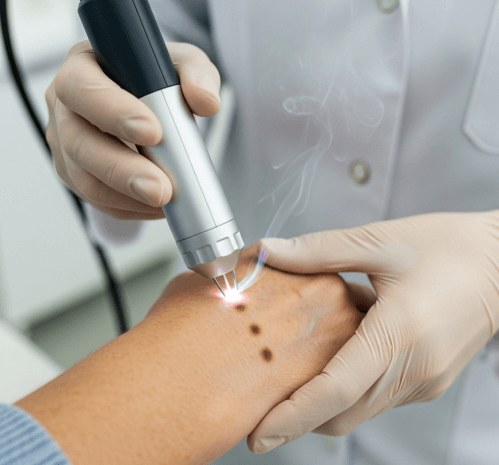
Lentigo treatment focuses on the removal or reduction of pigmented lesions caused by melanin accumulation. Unlike freckles, which may fade in winter, lentigines are usually darker, larger, and persistent year-round.
Korean clinics treat lentigines with a range of advanced modalities, including:
- Q-switched Nd:YAG lasers → Targets melanin clusters safely for Asian skin.
- Pico lasers (PicoWay, PicoSure Pro) → Breaks down pigmentation more precisely.
- Alexandrite laser (755 nm) → Effective for lighter skin tones with dark lentigines.
- IPL or BBL photofacial → Treats pigmentation and redness simultaneously.
- Chemical peels → Exfoliates surface pigmentation and improves skin tone.
- Topical programs → Brightening agents such as hydroquinone, Vitamin C, and tranexamic acid.
Why It’s Done
Lentigo treatment is pursued in Korea for both cosmetic and psychological reasons:
- Aesthetic improvement → Patients want smoother, even-toned, and radiant skin.
- Anti-aging goals → Lentigines are often associated with aging; removal restores a youthful appearance.
- Confidence boost → Clearer skin often enhances self-esteem.
- Preventive care → Many Koreans treat lentigines early to prevent them from darkening or multiplying.
Since lentigines are harmless but cosmetically undesirable, Korean dermatology emphasizes early intervention and maintenance.
Alternatives
Korean clinics offer various alternatives to direct lentigo removal:
- Pico toning → Gentle treatment for overall pigmentation improvement.
- Laser toning with Q-switched Nd:YAG → Multi-session approach for diffuse pigmentation.
- Spectra or Carbon Laser Peel → For patients with both pigmentation and acne concerns.
- Chemical peels → Mild acids like glycolic or TCA for exfoliation.
- Whitening injections and IV therapy → Vitamin C and glutathione drips for overall brightening.
- At-home skincare → Korean serums with niacinamide, arbutin, and licorice extract for maintenance.
Preparation
Korean dermatologists emphasize proper preparation for lentigo treatment:
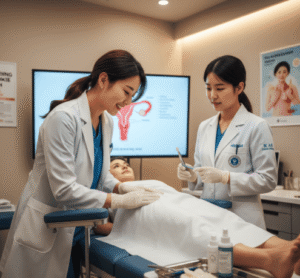
- Consultation → A skin analysis is performed with imaging systems to measure pigmentation depth and density.
- Pre-care instructions → Avoid tanning, sun exposure, exfoliants, and retinoids before treatment.
- Medical disclosure → Patients should inform doctors about medications, history of pigmentation issues, or keloid formation.
- Hydration → Using moisturizers and sheet masks keeps the skin barrier strong before treatment.
If lasers are used, numbing cream is often applied to ensure comfort.
How It’s Done
A lentigo treatment session in Korea typically lasts 20–40 minutes depending on the method:
- Cleansing – Skin is cleansed of impurities and makeup.
- Numbing cream – Applied if a laser treatment is planned.
- Treatment application –
- Laser therapy → Pulsed energy targets melanin clusters in lentigines.
- IPL/BBL → Broad-spectrum light pulses treat multiple pigmentation areas.
- Chemical peel → Exfoliates surface pigmentation.
- Post-care – Cooling masks, soothing creams, and hydrating ampoules are applied.
- Final step – Sunscreen is applied before leaving the clinic.
Depending on the severity, most patients require 2–5 sessions for optimal results.
Recovery
Recovery is usually mild and short:
- Immediately after → Treated spots may look darker or slightly scabbed.
- 2–7 days later → Pigmented lesions flake off naturally.
- 1–2 weeks later → Skin tone looks clearer and more even.
- Ongoing care → Daily SPF 50+ sunscreen use is critical to prevent recurrence.
Korean clinics often provide hydrating facials, soothing ampoules, and sheet masks after treatment to speed recovery.
Complications
Lentigo treatment is generally safe, but side effects can occur:
- Temporary redness, swelling, or mild scabbing.
- Hyperpigmentation or hypopigmentation if aftercare is neglected.
- Rare blistering or prolonged sensitivity.
Korean dermatologists minimize risks by customizing laser settings for each skin type and providing detailed aftercare guidance.
Treatment Options
In Korea, patients can choose from a wide range of lentigo treatment programs:
- Laser spot removal → Q-switched Nd:YAG, Pico, or Alexandrite lasers.
- BBL/IPL pigmentation packages → For patients with widespread sun damage.
- Brightening programs → Combination of laser removal and Vitamin C infusion.
- Anti-aging packages → Lentigo removal plus collagen-stimulating treatments.
- Combination programs → Lentigo treatment with Aqua Peel, Hydrafacial, or whitening ampoules.
Clinics in Seoul, especially in Gangnam, frequently offer multi-session packages at competitive rates, making them attractive to both locals and international patients.
Conclusion
Lentigo Treatment in Korea is one of the most effective solutions for removing sun spots, age spots, and pigmentation caused by melanin buildup. With the use of advanced lasers, light therapy, and chemical treatments, Korean dermatology clinics provide safe, customized, and natural-looking results.
Backed by the country’s world-class technology and expertise in treating Asian skin types, Korea has become a top destination for pigmentation management. Whether you want to restore youthful clarity, prevent future pigmentation, or simply achieve a smoother, even-toned complexion, lentigo treatment in Korea offers one of the most reliable and advanced solutions available worldwide.