
Tranexamic Acid Therapy in Korea has become one of the most innovative and effective treatments for pigmentation disorders, particularly melasma and post-inflammatory hyperpigmentation (PIH). Originally used as an antifibrinolytic medication to control bleeding, tranexamic acid (TXA) was later discovered to have significant skin-lightening properties by reducing melanin production.
Korean dermatology clinics have pioneered advanced ways of delivering TXA—including oral supplements, topical creams, mesotherapy injections, and IV infusions. Combined with Korea’s culture of preventive skincare and holistic aftercare, TXA therapy is now a trusted, science-backed method for achieving clear, bright, and even-toned skin.
What It Is
Tranexamic acid is a synthetic derivative of lysine, an amino acid. In dermatology, it works by:
- Inhibiting plasmin activity → Reduces inflammation and melanin overproduction.
- Decreasing melanocyte activity → Prevents excessive pigment formation.
- Enhancing skin barrier repair → Makes skin less reactive to triggers like UV rays or hormones.
In Korea, TXA therapy is offered in several forms:
- Topical TXA creams/serums (2–5%) – Applied directly to pigmented areas.
- Oral TXA supplements (250–500 mg/day) – Prescribed for resistant melasma.
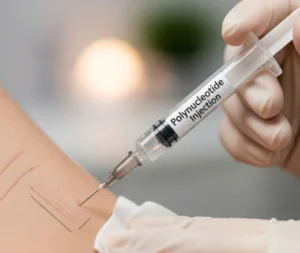
- Mesotherapy injections (intradermal TXA) – Direct delivery into problem areas.
- IV therapy – Sometimes combined with Vitamin C and glutathione for overall brightening.
Why It’s Done
Patients pursue tranexamic acid therapy in Korea for several reasons:
- Melasma treatment → TXA is considered one of the most effective solutions for stubborn melasma.
- Post-inflammatory hyperpigmentation (PIH) → Helps fade acne scars and dark marks.
- Sun damage → Reduces solar lentigines and uneven pigmentation.
- Brightening effect → Creates the “Korean glass skin” look.
- Safe alternative to hydroquinone → TXA has fewer long-term risks.
Because it reduces melanin production without aggressively irritating the skin, TXA is especially suitable for Asian skin types prone to rebound pigmentation.
Alternatives
If TXA is not suitable, Korean clinics also use other pigmentation treatments:
- Hydroquinone protocol → Gold standard for pigmentation, but short-term use only.
- Vitamin C therapy → Brightens and protects against free radical damage.
- Niacinamide and arbutin → Popular in K-beauty brightening products.
- Q-switched Nd:YAG laser toning → Gentle melanin targeting.
- Pico lasers (PicoWay, PicoSure Pro) → Advanced treatment for stubborn pigmentation.
- Chemical peels → Glycolic or lactic acid to exfoliate and lighten.
- BBL/IPL photofacials → For pigmentation and redness.
Preparation
Preparation for TXA therapy in Korea is systematic and dermatologist-guided:
- Consultation → A thorough skin analysis to determine pigmentation depth and triggers.
- Medical history → Patients with clotting disorders or using anticoagulants may not be candidates for oral TXA.
- Pre-care instructions → Avoid excessive sun exposure and harsh skincare before starting therapy.
- Baseline skincare → A regimen of gentle cleansers, moisturizers, and sunscreen is established before TXA is introduced.
How It’s Done
Tranexamic acid therapy is delivered in different methods depending on the patient’s condition:
- Topical TXA creams/serums
- Applied once or twice daily on affected areas.
- Often combined with niacinamide or Vitamin C in Korean products.
- Oral TXA supplements
- Prescribed at 250–500 mg/day for 8–12 weeks.
- Requires medical supervision to avoid clotting risks.
- Mesotherapy (intradermal injections)
- TXA is injected into pigmented patches using microneedles.
- Sessions last 20–30 minutes, usually every 2–4 weeks.
- IV infusion therapy
- TXA may be combined with glutathione or Vitamin C.
- Popular for full-face brightening and prevention of pigmentation recurrence.
Korean clinics often integrate TXA with lasers or chemical peels for synergistic results.
Recovery
Recovery depends on the delivery method:
- Topical TXA → Mild dryness possible, but no downtime.
- Oral TXA → Well tolerated, but patients are monitored for side effects.
- Mesotherapy injections → Temporary redness or pinpoint bruising resolves in 1–2 days.
- IV therapy → No downtime; patients can resume normal activities immediately.
Overall, recovery is minimal, which is why TXA therapy is a favorite among busy professionals and K-pop idols.
Complications
While generally safe, potential side effects include:
- Topical TXA → Mild dryness, tingling, or irritation.
- Oral TXA → Rare clotting risk, contraindicated in patients with thromboembolic history.
- Injections → Redness, swelling, or mild bruising at the site.
- IV therapy → Very rare side effects if done under medical supervision.
Korean dermatologists minimize risks by performing individualized protocols and careful monitoring.
Treatment Options
Korean clinics offer a variety of TXA-based programs:
- Melasma packages → TXA oral/injection therapy combined with Q-switched Nd:YAG or Pico lasers.
- PIH management programs → TXA with topical serums and light laser toning.
- Brightening programs → TXA infusion with Vitamin C, glutathione, and whitening ampoules.
- Anti-aging + pigmentation packages → TXA therapy paired with collagen-stimulating treatments.
- Maintenance programs → Long-term TXA serum use plus sunscreen and antioxidants.
Seoul clinics, especially in Gangnam, offer multi-session deals (often 4–6 treatments), making TXA therapy both affordable and accessible for locals and medical tourists.
Conclusion
Tranexamic Acid Therapy in Korea has become one of the most trusted and effective solutions for pigmentation disorders like melasma and PIH. With options ranging from topical serums to oral supplements, injections, and IV infusions, Korean dermatology offers personalized protocols that deliver safe and long-lasting results.
By combining TXA with advanced laser therapies, chemical peels, and K-beauty aftercare, Korea has established itself as a global leader in pigmentation management. For patients seeking brighter, even-toned, and healthy skin, TXA therapy in Korea provides a scientifically proven and innovative approach.