What it is in Korea
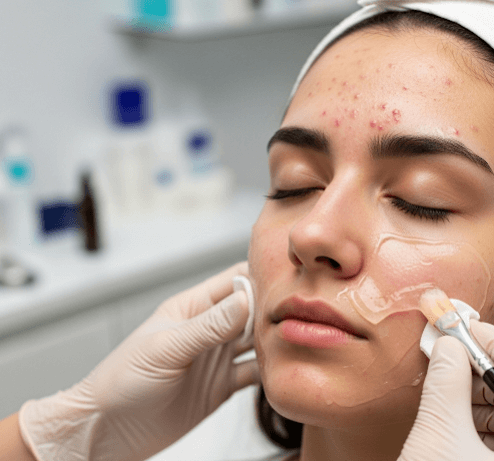
➤ Acne peel in Korea is a dermatological treatment that uses chemical exfoliating solutions to remove damaged skin layers, unclog pores, and reduce acne breakouts.
→ The procedure targets blackheads, whiteheads, pimples, and post-acne marks by improving skin turnover and reducing oil production.
✦ The most common peels used in Korean dermatology clinics include:
- Salicylic acid peel → oil-soluble, penetrates deep into pores
- Glycolic acid peel → exfoliates surface and brightens skin tone
- Jessner’s peel → combination peel for acne and pigmentation
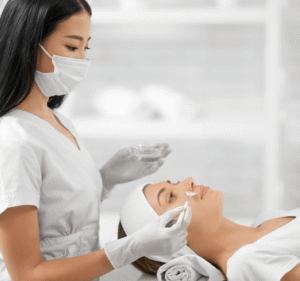
✔ Unlike spa facials, medical acne peels in Korea are performed under strict dermatological supervision, ensuring both safety and effectiveness.
Why it’s done in Korea
▸ Medical reasons → Acne peels reduce excess sebum, clear clogged pores, and help heal active pimples.
▸ Aesthetic reasons → Koreans highly value smooth, even-toned skin, and peels improve post-acne pigmentation and texture.
▸ Preventive reasons → Regular peeling treatments help minimize recurrence of acne and promote healthier skin renewal.
✔ Dermatologists in Korea recommend acne peels when:
- Over-the-counter skincare fails to control acne
- Persistent blackheads and whiteheads cause breakouts
- Post-acne scars or pigmentation remain visible
- Patients want quick results with minimal downtime
Alternatives in Korea
While acne peels are effective, other treatments may be used instead or alongside:
➤ Topical medications
- Retinoids → regulate cell turnover and prevent clogged pores
- Benzoyl peroxide → reduces bacteria and inflammation
- Azelaic acid → effective for both acne and pigmentation
➤ Oral medications
✔ Antibiotics → temporary use for inflammatory acne
✔ Isotretinoin → reserved for severe or resistant acne cases
➤ Procedural treatments
✦ Laser therapy → reduces oil production and improves scars
✦ Cystic acne injection → fast relief for painful nodules
✦ Microneedling → stimulates collagen and treats post-acne scarring
Preparation in Korea
Before undergoing acne peel treatment, Korean dermatologists advise patients to:
▸ Skin preparation
→ Avoid strong retinoids, exfoliants, or acids for at least 3–5 days before treatment.
→ Use a gentle cleanser and moisturizer to keep skin balanced.
▸ Lifestyle adjustments
✦ Avoid tanning, sunburn, or harsh skincare products.
✦ Inform the dermatologist of any allergies, medications, or skin conditions.
▸ Pre-procedure consultation
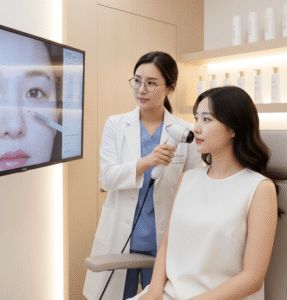
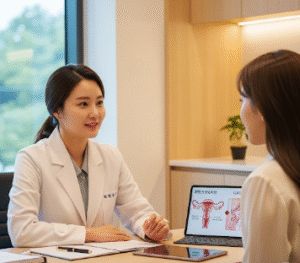
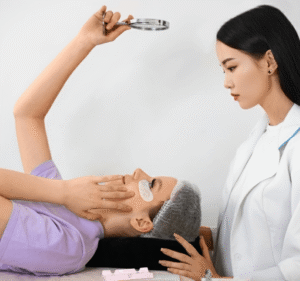
✔ Korean dermatologists carefully analyze skin type and acne severity to choose the correct peel concentration and formula.
✔ Patch testing may be performed for sensitive skin.
How it’s done in Korea
The acne peel procedure is quick and precise, typically taking 20–40 minutes:
- Cleansing → The skin is thoroughly cleansed of dirt and oil.
- Application of peel solution → The dermatologist applies a controlled layer of acid (salicylic, glycolic, or combination).
- Reaction phase → Mild tingling, stinging, or warmth is felt for a few minutes.
- Neutralization & removal → The peel is neutralized and washed off.
- Post-peel care → Soothing cream, sunscreen, and calming therapy (e.g., LED light) may follow.
✔ In Korea, acne peels are often customized and combined with other skin-clinic services, such as oxygen facials or calming masks, to minimize irritation and enhance results.
Recovery in Korea
▸ Immediate effects
✔ Mild redness and dryness may occur but usually subside within 24–48 hours.
✔ Skin feels smoother and pores appear cleaner after the first session.
▸ Short-term recovery (3–7 days)
→ Slight flaking or peeling may occur as dead skin sheds.
→ Patients must use moisturizer and high SPF sunscreen to protect the new skin.
▸ Long-term results (3–6 sessions)
✦ Improvement in acne, smoother skin texture, and reduced pigmentation are visible after multiple sessions spaced 2–4 weeks apart.
✦ In Korea, acne peels are often part of a long-term acne management plan.
Complications in Korea
Although generally safe, acne peels carry some potential risks:
➤ Skin irritation
- Redness, peeling, or burning sensation for a few days
➤ Pigmentation issues
✦ Rare cases of hyperpigmentation in darker skin types if aftercare is ignored
➤ Scarring (very rare)
✔ Only occurs if improper technique or unqualified providers perform the peel — minimized in Korean dermatology clinics due to strict protocols
Treatment Options in Korea
Korea is a global leader in dermatology and cosmetic skin care, offering advanced acne peel treatments with personalized protocols.
➤ Top hospitals
- Seoul National University Hospital Dermatology → Uses evidence-based peels for acne and pigmentation
- Yonsei Severance Hospital → Offers acne peels combined with scar management programs
➤ Private skin clinics (Gangnam, Apgujeong, Myeongdong)
✔ Oracle Skin Clinic, Banobagi Dermatology, ID Dermatology → Known for customized chemical peels tailored to acne-prone skin
✔ Many offer medical tourism services, including translation and aftercare kits
➤ K-beauty integration
✦ Acne peels in Korea are often paired with hydrating essences, soothing sheet masks, and barrier-repair creams to maximize healing.
✦ Clinics also provide maintenance skincare regimens so results last longer.
Conclusion in Korea
➤ Acne peel in Korea is one of the most effective, safe, and aesthetic-focused treatments for managing acne and post-acne marks.
→ The procedure delivers fast results with minimal downtime, making it ideal for both locals and international patients seeking clearer skin.
✦ With Korea’s advanced dermatology expertise, integration of medical and cosmetic care, and world-class clinics, acne peels are a trusted option for achieving smooth, radiant, and acne-free skin.