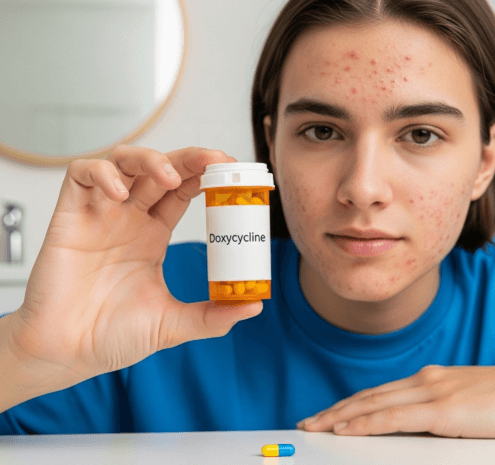
What it is in Korea
➤ Oral antibiotics for acne in Korea are prescription medications used to treat moderate to severe acne by targeting the root causes of inflammation and bacterial overgrowth.
→ They work by:
- Reducing acne-causing bacteria (Cutibacterium acnes)
- Decreasing skin inflammation
- Preventing cystic lesion formation
✦ Commonly prescribed oral antibiotics in Korea include:
- Tetracyclines (doxycycline, minocycline, sarecycline)
- Macrolides (erythromycin, azithromycin)
- Trimethoprim-sulfamethoxazole (used less frequently, for resistant cases)
✔ In Korea, oral antibiotics are rarely used as a standalone treatment. Instead, they are prescribed as part of a multi-layered acne program that may include topical retinoids, benzoyl peroxide, laser therapy, or chemical peels.
Why it’s done in Korea
▸ Medical reasons → Oral antibiotics treat deep, painful, or widespread acne that doesn’t respond to topical therapies.
▸ Aesthetic reasons → In Korea’s beauty-focused culture, visible acne can cause significant psychological stress, making fast relief important.
▸ Preventive reasons → Reducing bacterial load early helps prevent long-term scarring.
✔ Dermatologists in Korea prescribe oral antibiotics when:
- Acne is moderate to severe with inflammation and cysts
- Topical treatments fail to control breakouts
- Patients need rapid improvement before transitioning to long-term maintenance therapies
- Acne is at risk of leaving pigmentation or permanent scars
Alternatives in Korea
While oral antibiotics are effective, Korean dermatologists may recommend other or combined approaches:
➤ Topical therapies
- Retinoids → regulate skin turnover
- Benzoyl peroxide → prevents bacterial resistance
- Azelaic acid → anti-inflammatory and pigment-correcting
➤ Other oral medications
✔ Isotretinoin → powerful systemic option for resistant acne
✔ Hormonal therapy (oral contraceptives, spironolactone) → for women with hormonally driven acne
➤ Procedural treatments
✦ Chemical peels → improve surface acne and pigmentation
✦ Laser therapy → reduces sebum and inflammation
✦ Cystic acne injection → provides quick relief for painful nodules
Preparation in Korea
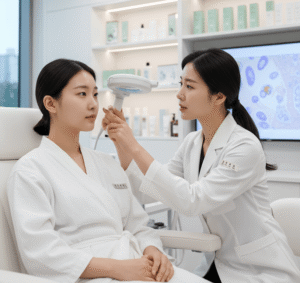
Before starting oral antibiotics, Korean dermatologists carefully evaluate each patient:
▸ Medical consultation
→ Review of medical history, allergies, and current medications.
→ Consideration of pregnancy, as some antibiotics (like tetracyclines) are unsafe.
▸ Lifestyle guidance
✦ Take antibiotics with food to reduce stomach upset.
✦ Avoid excessive sun exposure, as some antibiotics increase sensitivity.
▸ Combination therapy
✔ In Korea, oral antibiotics are always combined with topical benzoyl peroxide or retinoids to reduce bacterial resistance and enhance results.
How it’s done in Korea
➤ Oral antibiotics are prescribed in specific treatment cycles:
- Duration
→ Typically 6–12 weeks, but sometimes extended up to 3–6 months under supervision. - Dosing
✦ Doxycycline: once or twice daily
✦ Minocycline: once daily, often better tolerated
✦ Erythromycin: reserved for patients unable to take tetracyclines - Combination protocols
✔ Korean dermatologists often pair antibiotics with:
- Topical retinoids → to regulate skin turnover
- Chemical peels or laser → for faster clearance
- K-beauty skincare regimens (hydrating essences, barrier creams) → to minimize irritation
- Clinic monitoring
→ Regular check-ups ensure acne improvement while monitoring side effects.
Recovery in Korea
▸ Initial phase (2–4 weeks)
✔ Some patients may notice mild stomach upset or sun sensitivity.
✔ Breakouts gradually begin to reduce.
▸ Short-term results (6–12 weeks)
→ Visible improvement in acne lesions, fewer cysts and nodules.
→ Less inflammation and redness.
▸ Long-term outcomes (3–6 months)
✦ Skin achieves clearer texture, and scarring risk decreases.
✦ Patients transition to topical maintenance therapies (retinoids, benzoyl peroxide) after completing the antibiotic course.
Complications in Korea
Oral antibiotics are generally safe under Korean dermatology care, but possible issues include:
➤ Common side effects
- Stomach upset, diarrhea, nausea
- Sun sensitivity (especially with doxycycline)
- Mild dizziness (with minocycline)
➤ Less common complications
✦ Antibiotic resistance if misused
✦ Pigmentation (rare with minocycline)
✦ Allergic reactions
✔ Korean dermatologists minimize risks by prescribing short courses, combining with benzoyl peroxide, and providing strict follow-up schedules.
Treatment Options in Korea
Korea is globally known for advanced acne care, and oral antibiotics are part of structured programs:
➤ Major hospitals
- Seoul National University Hospital Dermatology → Provides oral antibiotic regimens with lab monitoring.
- Yonsei Severance Hospital → Integrates antibiotics with scar-prevention treatments.
➤ Private dermatology clinics (Gangnam, Apgujeong, Myeongdong)
✔ Oracle Skin Clinic, Banobagi Dermatology, ID Dermatology → Offer customized oral antibiotic regimens with combined peels, lasers, and K-beauty skincare.
➤ K-beauty integration
✦ Korean clinics pair oral antibiotics with hydrating skincare routines to reduce irritation.
✦ Patients receive aftercare kits (moisturizers, barrier creams, calming essences) to maintain skin balance.
Conclusion in Korea
➤ Oral antibiotics for acne in Korea are a safe and effective short-term solution for moderate-to-severe acne, reducing inflammation, bacteria, and cyst formation.
→ They provide rapid relief but are always part of a comprehensive acne program that includes topical therapies and preventive skincare.
✦ With Korea’s world-class dermatologists, advanced acne treatments, and integration with K-beauty skincare, oral antibiotic regimens offer patients a balanced, effective path toward clear, healthy skin.