Overview
Eye diseases encompass a wide range of conditions affecting the eyes and vision. They can range from common refractive errors like myopia to serious conditions such as glaucoma, cataracts, and retinal disorders. Early detection, proper treatment, and preventive care are essential to maintain vision health. South Korea offers advanced ophthalmology care with modern diagnostic tools, specialized eye centers, and treatment options for both common and complex eye diseases.
What are Eye Diseases?
Eye diseases include any condition that affects the structure or function of the eye. They can be categorized broadly into:
- Refractive disorders: Myopia, hyperopia, astigmatism, presbyopia
- Lens and cornea disorders: Cataract, keratoconjunctivitis, corneal ulcers
- Retinal diseases: Age-related macular degeneration, diabetic retinopathy, retinal detachment
- Glaucoma: Increased intraocular pressure causing optic nerve damage
- Infections: Conjunctivitis, keratitis, ocular herpes
- Trauma-related eye injuries: Foreign bodies, chemical burns, blunt trauma
- Inherited or genetic disorders: Retinitis pigmentosa, congenital cataracts
- Neoplastic diseases: Eye cancers such as uveal melanoma and retinoblastoma
- Functional disorders: Dry eye syndrome, eye strain, amblyopia (lazy eye)
Symptoms
- Blurred or double vision
- Eye pain or discomfort
- Redness or inflammation
- Light sensitivity (photophobia)
- Sudden loss of vision or dark spots
- Excessive tearing or dry eyes
- Eye discharge or swelling
- Visual distortions like flashes or floaters
Causes
- Aging (cataracts, macular degeneration)
- Genetic predisposition (retinitis pigmentosa, congenital glaucoma)
- Diabetes or systemic diseases (diabetic retinopathy)
- Infections (bacterial, viral, fungal)
- Eye trauma or injuries
- UV light exposure
- Poor eye hygiene or prolonged screen use
Risk Factors
- Age above 50 years (higher risk for cataracts and glaucoma)
- Diabetes or hypertension
- Family history of eye diseases
- Prolonged sun exposure without protection
- Contact lens use or improper eye hygiene
- Smoking or unhealthy lifestyle
- Previous eye surgery or trauma
Complications
- Partial or complete vision loss
- Eye infections leading to further damage
- Chronic pain or discomfort
- Permanent structural damage to the eye
- Psychological impact due to vision impairment
Prevention
- Regular eye check-ups, especially for high-risk individuals
- Wearing protective eyewear against UV light and injuries
- Managing systemic conditions like diabetes and hypertension
- Maintaining eye hygiene
- Limiting screen time and taking breaks to prevent eye strain
- Balanced diet rich in vitamins and antioxidants
Treatment Options in Korea
South Korea provides comprehensive ophthalmology care with modern diagnostic tools and treatments:
- Diagnosis
- Visual acuity and refraction tests
- Slit-lamp examination and fundoscopy
- Optical coherence tomography (OCT) for retinal evaluation
- CT or MRI for complex structural eye problems
- Lab tests for infections
- Medical Treatment
- Antibiotics or antivirals for infections
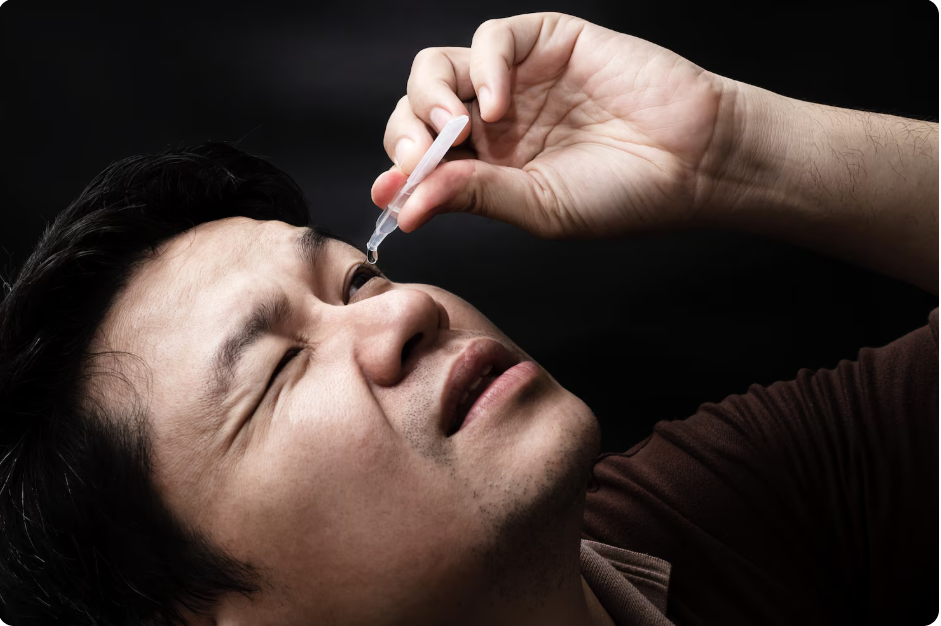
- Eye drops for glaucoma, dry eye, or inflammation
- Steroids or immunosuppressants for autoimmune eye conditions
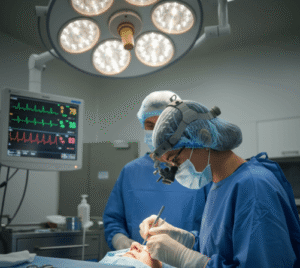
- Surgical Treatment
- Cataract surgery and intraocular lens implantation
- Laser therapy for retinal diseases
- Corneal transplantation for severe corneal damage
- Corrective eye surgery for refractive errors (LASIK, PRK)
- Eye tumor removal or enucleation in severe cases
- Rehabilitation and Support
- Vision rehabilitation programs
- Low-vision aids and assistive devices
- Post-surgical care and monitoring for recurrence