Overview
Flatulence, commonly known as excessive gas or bloating, is a digestive condition where gas accumulates in the stomach or intestines and is released through the rectum. While usually harmless, chronic flatulence can cause discomfort, social embarrassment, and indicate underlying digestive disorders. In Korea, gastroenterology clinics offer modern diagnostic and treatment options for flatulence, including dietary counseling, probiotics, and advanced gastrointestinal testing.
What is Flatulence?
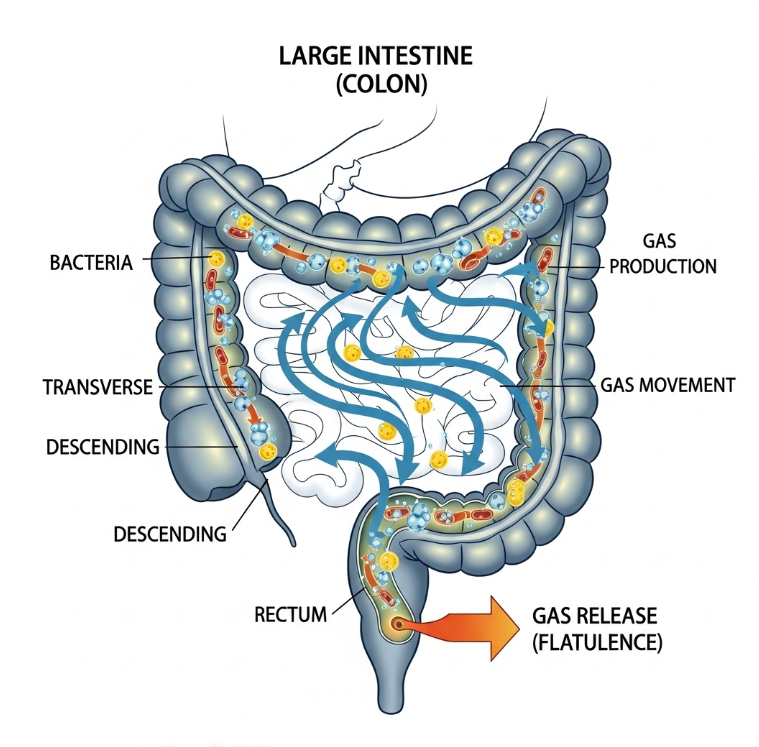
Flatulence occurs when the digestive system produces excess gas due to swallowed air or the breakdown of certain foods by intestinal bacteria. Gas is released naturally, but excessive accumulation can result in bloating, abdominal discomfort, and frequent passing of gas.
Common types:
- Diet-related flatulence: Caused by consuming gas-producing foods such as beans, cabbage, or carbonated drinks.
- Functional flatulence: No underlying disease, often related to eating habits or stress.
- Pathological flatulence: Linked to gastrointestinal disorders such as irritable bowel syndrome (IBS), lactose intolerance, or celiac disease.
Symptoms
- Frequent passage of gas
- Abdominal bloating or distension
- Stomach rumbling or gurgling (borborygmi)
- Discomfort or pain in the abdomen
- Feeling of fullness after meals
- Nausea or indigestion in severe cases
Causes
- Swallowing air while eating, drinking, or chewing gum
- High-fiber foods (beans, lentils, broccoli, cabbage)
- Carbonated beverages
- Lactose intolerance or other food sensitivities
- Irritable bowel syndrome (IBS) or other gastrointestinal disorders
- Constipation, slowing the passage of gas
- Bacterial overgrowth in the small intestine (SIBO)
Risk Factors
- Diet high in fiber or fermentable carbohydrates
- Poor eating habits (eating too quickly, talking while eating)
- Gastrointestinal disorders such as IBS, GERD, or celiac disease
- Lactose intolerance or other food allergies
- Stress or anxiety, which can affect digestion
- Sedentary lifestyle leading to slow gut motility
Complications
- Social embarrassment and reduced quality of life
- Abdominal pain or discomfort
- Potential indicator of underlying conditions like IBS, lactose intolerance, or gastrointestinal infections
- Rarely, persistent flatulence may suggest malabsorption or intestinal obstruction
Prevention
- Eat slowly and chew food thoroughly
- Avoid swallowing excess air by limiting gum chewing or carbonated drinks
- Identify and avoid trigger foods
- Increase water intake and regular physical activity to improve digestion
- Consider probiotics to support gut health
- Manage stress with relaxation techniques, yoga, or meditation
Treatment Options in Korea
Diagnosis:
- Physical examination and medical history review
- Stool tests for infections or malabsorption
- Blood tests for food intolerances (e.g., lactose)
- Breath tests for lactose intolerance or bacterial overgrowth
- Imaging (ultrasound, CT) if obstruction is suspected
Medical Treatments:
- Dietary modifications to avoid gas-producing foods
- Probiotics or prebiotics to balance gut flora
- Simethicone for symptomatic relief
- Enzyme supplements for lactose intolerance (lactase)
- Medications for underlying GI conditions like IBS or SIBO
Surgical or Advanced Interventions:
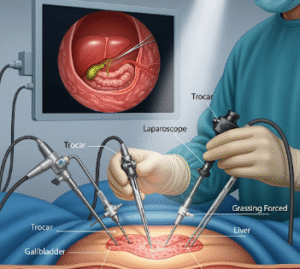
- Rarely required; only indicated for structural issues such as intestinal obstruction or severe complications
Rehabilitation & Support:
- Nutrition counseling for diet management
- Lifestyle coaching for improved digestive health
- Stress management programs in Korean wellness clinics