Overview
Arteriosclerosis refers to the thickening, hardening, and loss of elasticity of the walls of the arteries. It is a progressive condition that can lead to restricted blood flow to organs and tissues, increasing the risk of serious cardiovascular problems such as heart attacks, strokes, and peripheral artery disease. Arteriosclerosis often develops silently over time, making early detection and prevention critical.
What is Arteriosclerosis?
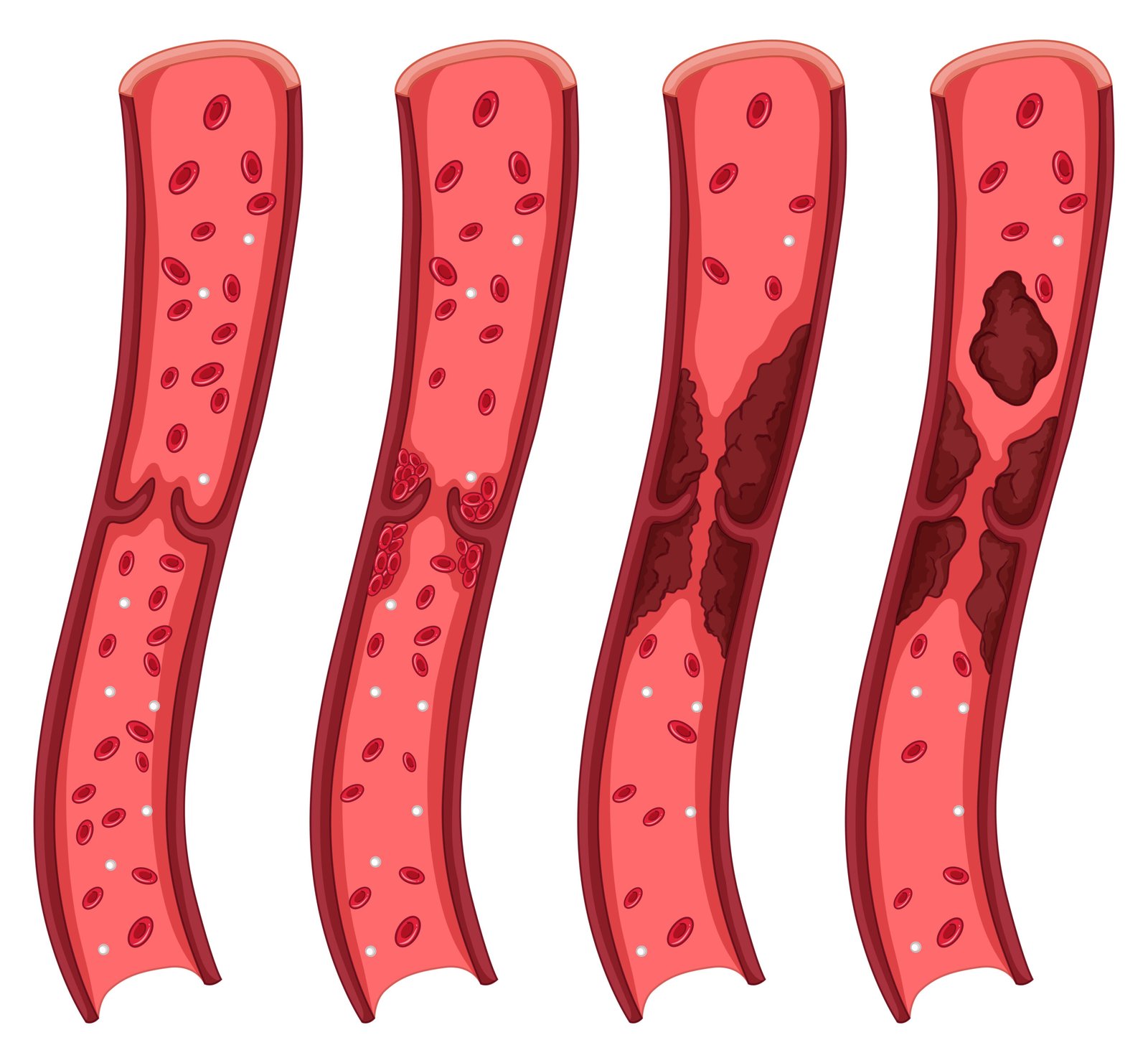
Arteriosclerosis is a general term for several conditions that cause the arteries to become stiff and narrowed. The most common form is atherosclerosis, which involves the buildup of plaque (fat, cholesterol, and other substances) inside the artery walls. This plaque can reduce or block blood flow and may rupture, causing blood clots.
Unlike healthy arteries that are flexible and elastic, arteriosclerotic arteries lose their ability to stretch and recoil, which disrupts normal blood circulation.
Symptoms
Arteriosclerosis often does not cause symptoms until significant artery narrowing or blockage occurs. Depending on the affected arteries, symptoms may include:
- Coronary Arteries (heart):
- Chest pain (angina)
- Shortness of breath
- Fatigue with exertion
- Carotid Arteries (brain):
- Sudden weakness or numbness in limbs
- Difficulty speaking
- Vision problems
- Signs of stroke or transient ischemic attack (TIA)
- Peripheral Arteries (legs, arms):
- Leg pain when walking (claudication)
- Numbness or weakness
- Coldness in lower leg or foot
- Renal Arteries (kidneys):
- High blood pressure
- Kidney function decline
Causes
Arteriosclerosis results from damage to the inner layer of the arteries, which triggers an inflammatory response and plaque buildup. Major causes include:
- High blood pressure (hypertension)
- High cholesterol and triglycerides
- Smoking
- Diabetes
- Obesity
- Chronic inflammation
- Sedentary lifestyle
- Unhealthy diet (high in saturated fats and processed foods)
Risk Factors
- Aging
- Family history of cardiovascular disease
- Smoking or tobacco use
- Hypertension
- High LDL (“bad”) cholesterol
- Low HDL (“good”) cholesterol
- Diabetes or insulin resistance
- Physical inactivity
- Chronic stress
Complications
- Heart attack
- Stroke
- Peripheral artery disease
- Aneurysm
- Chronic kidney disease
- Angina (chest pain)
- Erectile dysfunction in men
Prevention
- Quit smoking and avoid tobacco in all forms
- Maintain a healthy diet rich in fruits, vegetables, whole grains, and lean proteins
- Exercise regularly (at least 150 minutes of moderate activity per week)
- Control blood pressure, cholesterol, and blood sugar levels
- Maintain a healthy body weight
- Reduce alcohol intake
- Manage stress through mindfulness, yoga, or counseling
- Regular health checkups and blood tests
Treatment Options in Korea
South Korea provides world-class cardiovascular care, combining modern diagnostic tools with advanced medical and surgical treatments.
1. Diagnosis
- Blood tests: Check cholesterol, glucose, and inflammation markers
- Electrocardiogram (ECG): Detects heart problems caused by reduced blood flow
- Ultrasound and Doppler tests: Assess blood flow in arteries
- CT Angiography or MRI: Visualizes arterial plaque and narrowing
- Coronary angiogram: Used for detailed heart artery imaging
2. Medications
- Statins: Lower cholesterol and stabilize plaque
- Antiplatelet agents (e.g., aspirin): Prevent clot formation
- ACE inhibitors or ARBs: Control blood pressure and reduce arterial damage
- Beta-blockers: Reduce heart workload
- Diabetes medications: Improve blood sugar control
3. Lifestyle Counseling
- Nutrition guidance to adopt a heart-healthy diet
- Weight management support
- Smoking cessation programs
- Exercise therapy programs in hospitals
4. Surgical or Interventional Procedures
- Angioplasty and stenting: Open narrowed arteries with a balloon and insert a stent
- Bypass surgery: Reroute blood flow around blocked arteries
- Endarterectomy: Removal of plaque from artery walls